Chapter 7: Process Owners: Assigning Real Accountability Without Creating New Titles
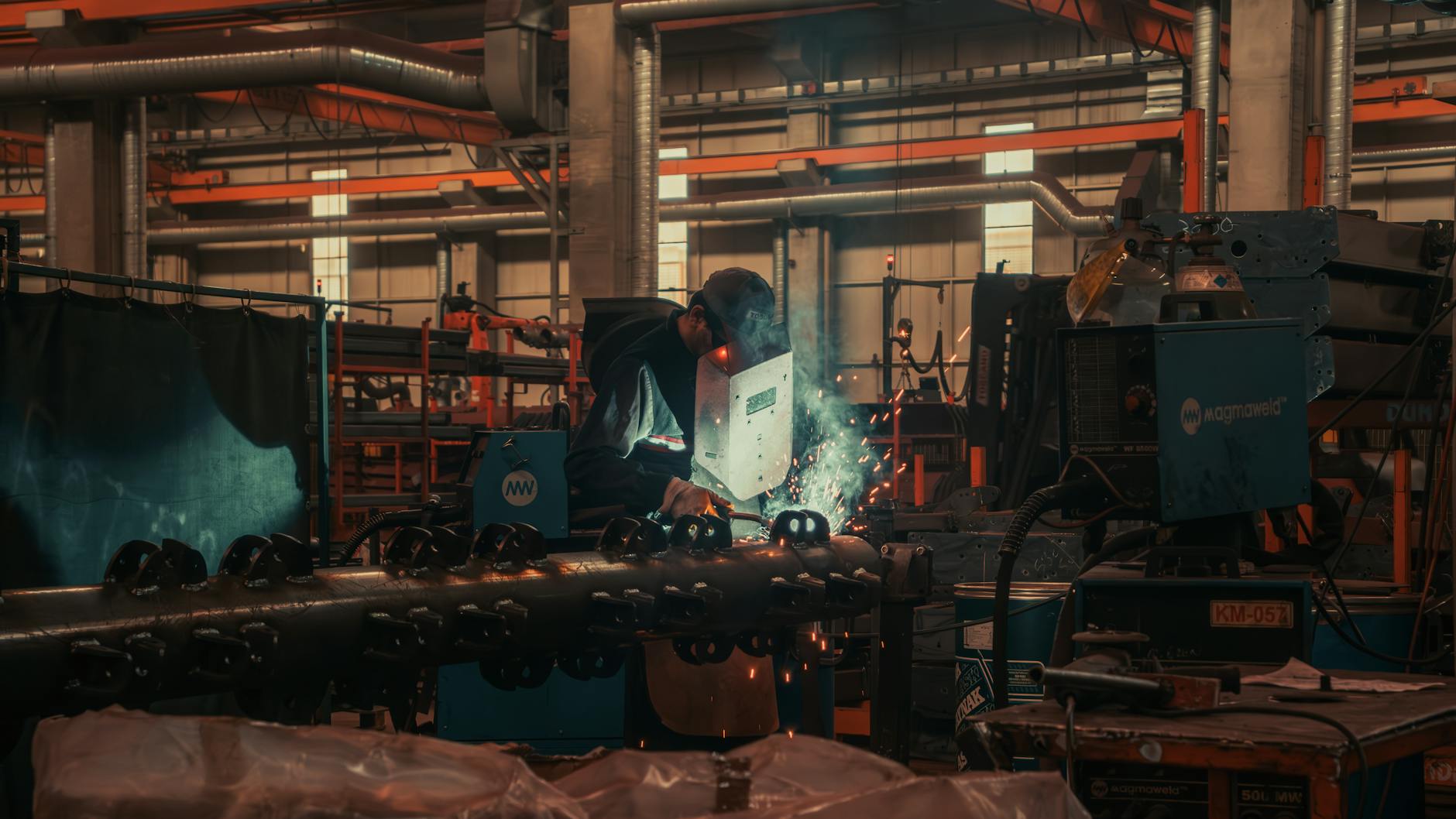
Here's where ISO implementation often derails at Canadian plants: someone decides every process needs a dedicated coordinator. Suddenly you have a "Materials Process Coordinator" and an "Inspection Process Coordinator," and the shop floor supervisor who actually runs the stamping press every day isn't involved.
The right question isn't: *Who should we hire?* It's: Who already owns this work?
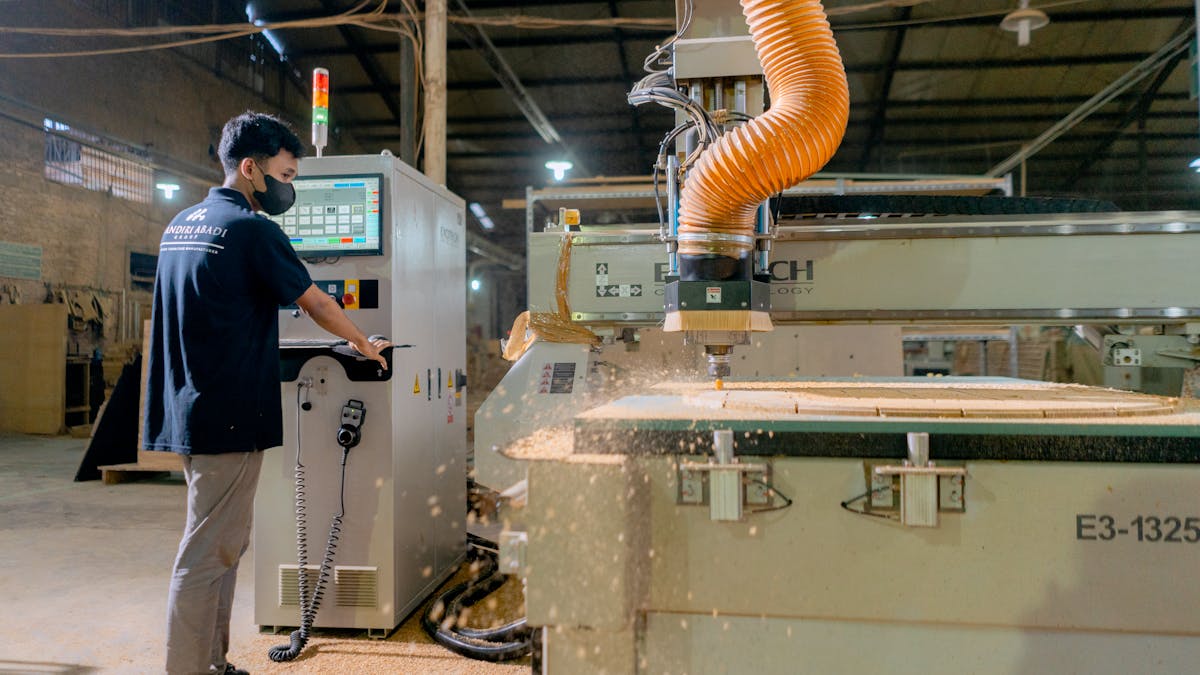
At Precision Fabrications, the stamping process is owned by Dave, the shop supervisor. He's also responsible for scheduling, equipment maintenance sign-off, and operator break coverage. Dave wears multiple hats. That's reality at a 45-person shop.
The ISO 9001 process approach *acknowledges that reality instead of denying it*.
How to Assign Process Ownership Correctly
- Name the person already doing the work, not a new title.
- Define the scope clearly (what is Dave accountable for in the stamping process, and what's outside his scope?).
- Document any cross-functional dependencies (Dave coordinates with the quality inspector on first-piece acceptance; he doesn't make that decision alone).
- Give the owner authority to improve the process (Dave can suggest changes to the stamping SOP; he doesn't need four approvals).
- Hold the owner accountable to measurable KPIs (stamping first-pass yield, changeover time, preventive maintenance compliance).
Common Mistake to Avoid
Need guidance on your certification journey?
Our consultants have prepared more than 250 manufacturers globally — from growing businesses to large enterprises — for successful certification. Get a free, no-obligation consultation tailored to your industry.
Many plants make the quality manager the owner of every process. The reasoning is: "Quality touches everything." But that creates a bottleneck. The quality manager becomes the gatekeeper instead of the enabler.
Shop floor staff become passive—they execute procedures instead of owning outcomes.
The fix: Separate process ownership from quality assurance oversight. Dave owns the stamping process. The quality manager audits it, provides training and tools, and escalates systemic issues. But Dave is the one accountable for stamping output quality.
Did You Know?
Many Canadian manufacturers under IATF 16949 (automotive) or ISO 13849-1 (machine safety) have already adopted process ownership as a survival mechanism. If your plant supplies automotive, that discipline should extend to your entire quality system, not just the Tier-1 line items.
Chapter 6: Mapping Your Core Manufacturing Processes: A Practical Method
Let's build a process map for a fictional Canadian shop: Precision Fabrications Inc., a mid-sized metal stamping and assembly operation in Ontario with 45 emplo
Chapter 8: Connecting the Process Approach to Risk-Based Thinking
This is the bridge between this chapter and Chapter 6 (Risk Management). You need to understand it now.
Request a Consultation
Fill in your details and we'll get back to you.