Chapter 6: Mapping Your Core Manufacturing Processes: A Practical Method
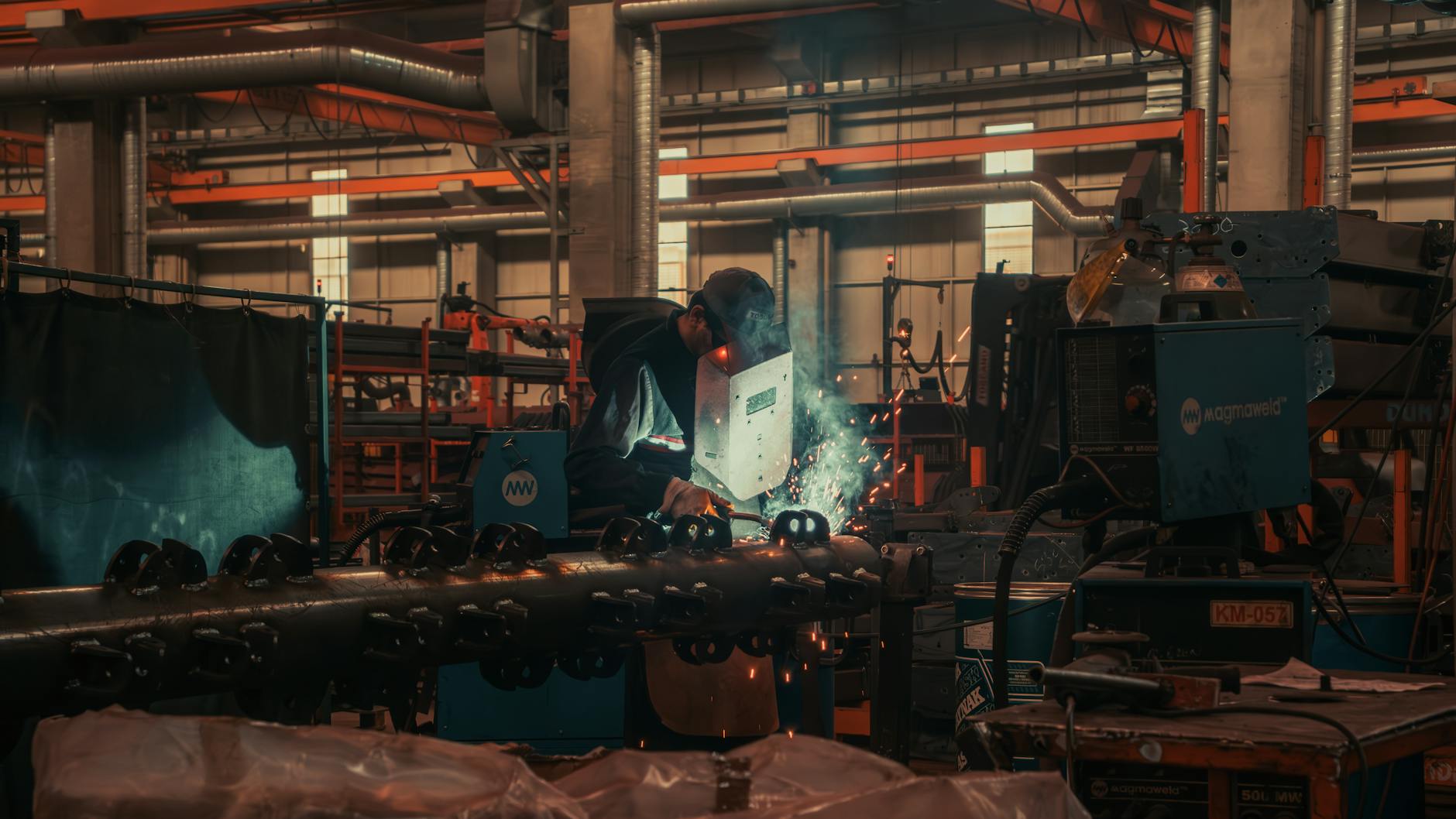
Let's build a process map for a fictional Canadian shop: Precision Fabrications Inc., a mid-sized metal stamping and assembly operation in Ontario with 45 employees. They stamp sheet metal, weld assemblies, paint, and ship. Their customer is an automotive Tier-1 supplier.
The process approach starts with identifying *what business you're in*, then working backward and outward.
Step 1: Identify the Core Value-Stream Process
For Precision Fabrications, the core process is: "Design Verification → Material Receipt → Stamping → Welding → Painting → Assembly → Inspection → Shipment."
This is the process that directly creates customer value. Everything else supports it.
Step 2: Identify Supporting Processes
Supporting processes keep the core process running:
- Maintenance (equipment uptime)
- Tool management (tool life, changeover scheduling)
- Calibration and metrology (inspection accuracy)
- Supply chain management (vendor quality, material traceability)
- Workforce management (training, skill matrices)
Step 3: Identify Management Processes
These set direction and monitor overall system health:
- Management review (quarterly leadership checkpoints)
- Strategic planning (annual targets, capacity planning)
- Risk management (identifying threats to operations)
- Internal audit and KPI review (system health checks)
Now, here's the tool that transforms this list into something auditable: the turtle diagram (also called a SIPOC-enhanced process map).
The Turtle Diagram Template
A turtle diagram shows a single process in its full context:
Need guidance on your certification journey?
Our consultants have prepared more than 250 manufacturers globally — from growing businesses to large enterprises — for successful certification. Get a free, no-obligation consultation tailored to your industry.
SUPPLIERS → INPUTS → [PROCESS OWNER & STEPS] → OUTPUTS → CUSTOMERS ↓ RESOURCES (people, equipment, IT, time) ↓ CONTROLS (procedures, standards, KPIs)
For the stamping process at Precision Fabrications, it looks like this:
| Element | Detail |
|---|---|
| **Suppliers** | Material vendor, die supplier, scheduling system |
| **Inputs** | Coil steel (certified), die specifications, work order, machine settings |
| **Process** | Load coil → Set die → Adjust pressures → Stamp → Unload → Stack |
| **Resources** | Stamping operator (trained), press #3 (calibrated), air supply, die set |
| **Controls** | Die setup SOP, pressure chart (plant-floor posted), first-piece inspection, scrap tracking |
| **Outputs** | Stamped parts (dimensionally verified), scrap report, setup time logged |
| **Customers** | Welding station, quality team, production planner |
| **Process Owner** | Shop Supervisor (Dave) |
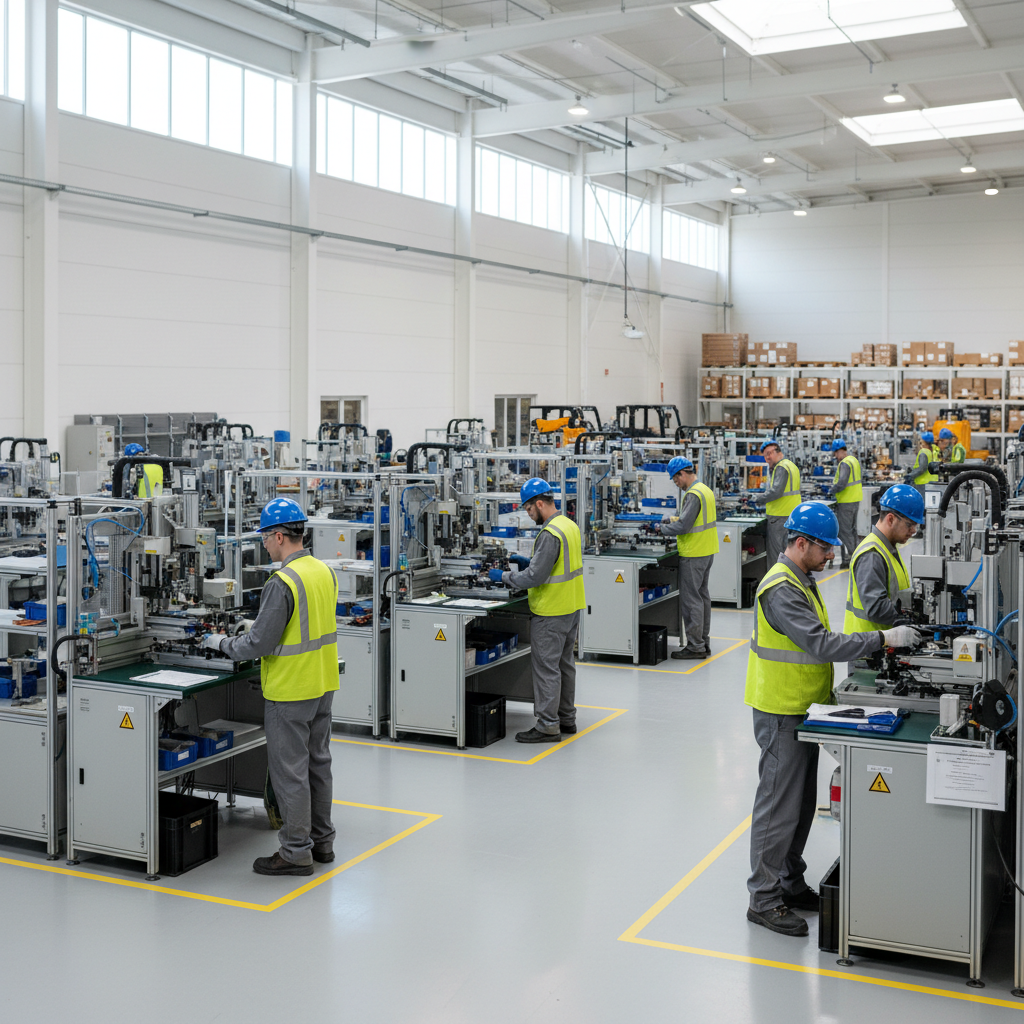
Why the turtle diagram matters: it forces you to name a single person (Dave) accountable for that process. It prevents outputs from being misunderstood (the welding team knows what "dimensionally verified" means because it's documented).
And it creates the basis for conversations about risk: *What happens if Dave is absent? What happens if the air supply fails? What happens if the material vendor sends non-certified steel?*
The Process Interaction Matrix
Once you have 8–12 turtle diagrams for your major processes, create a process interaction matrix. This is a simple grid:
Stamping Welding Painting Assembly Inspection Shipping Material Receipt X ← ← ← ← ← Stamping → X ← ← ← ← Welding ← → ← ← ← ← Painting ← ← → ← ← ← Assembly ← ← ← → ← ← Inspection ← ← ← ← → ← Shipping ← ← ← ← ← →
The arrows show information and material flow. A quick glance tells you: *Stamping depends on material receipt; welding depends on stamping and material receipt; painting depends on welding; inspection depends on everything upstream.*
This matrix is your early warning system. When a new process is added (say, a laser etching station for part traceability), you update the matrix. When a customer requirement changes, you trace which processes are affected. During internal audits, auditors trace nonconformances along these flows.
Chapter 5: What the Process Approach Actually Requires (Plain Language)
**The process approach boils down to four concrete requirements:**
Chapter 7: Process Owners: Assigning Real Accountability Without Creating New Titles
Here's where ISO implementation often derails at Canadian plants: someone decides every process needs a dedicated coordinator. Suddenly you have a "Materials Pr
Request a Consultation
Fill in your details and we'll get back to you.