ISO 50001 Energy Management Certification for Canadian Manufacturers
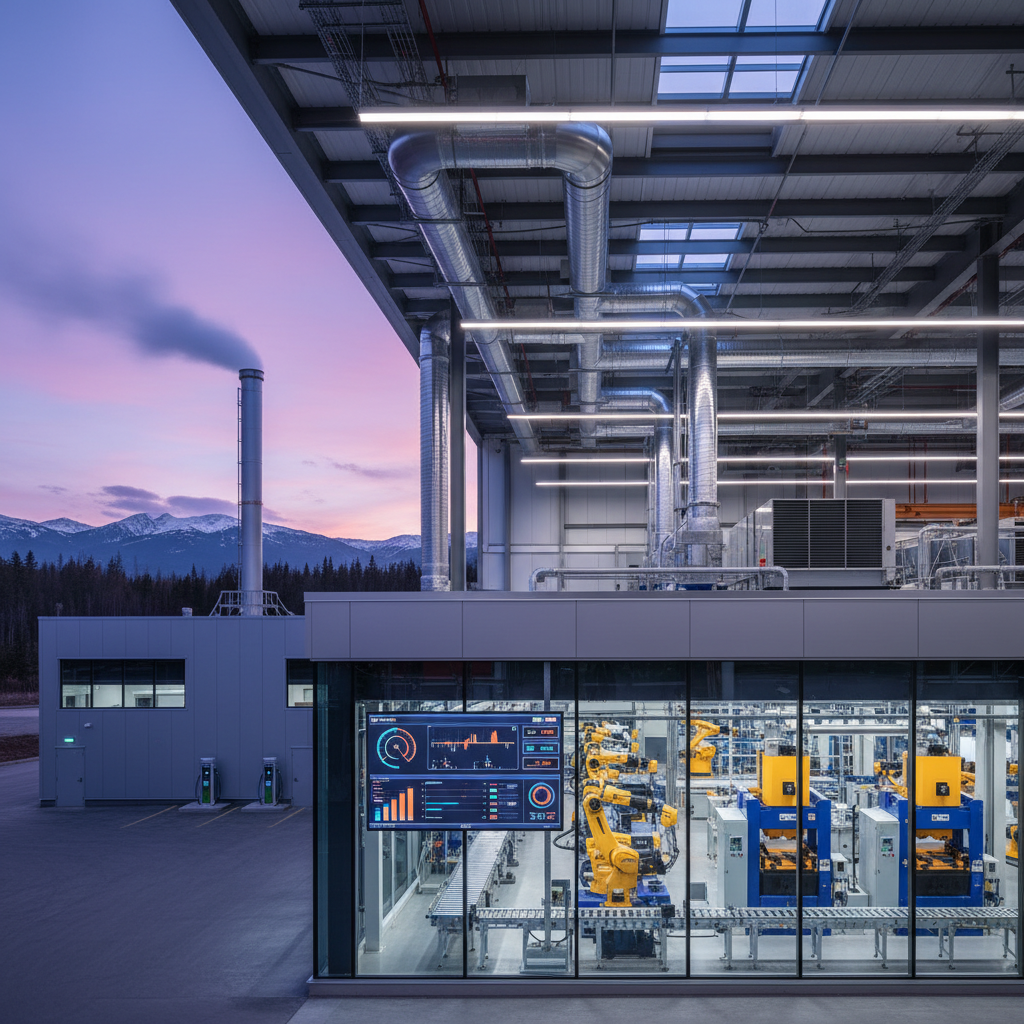
ISO 50001 Energy Management Certification for Canadian Manufacturers
Key Takeaways
- ISO 50001 is an internationally recognized standard for establishing, implementing, and improving energy management systems that deliver measurable improvements in energy performance
- Canadian manufacturers typically achieve cumulative energy improvements of approximately 10% within the first two years of ISO 50001 implementation
- Federal carbon pricing, currently scheduled to reach $170 per tonne by 2030, creates significant financial pressure on energy-intensive manufacturing operations across Canada
- The certification integrates seamlessly with existing ISO 9001, 14001, and 45001 systems through the harmonized Annex SL structure, reducing administrative burden and cost
- Provincial programs in Ontario, British Columbia, and Alberta offer complementary incentives and support for companies pursuing ISO 50001 certification
- Energy savings for large Canadian manufacturers can reach up to $2 million annually following certification and improvement implementation
- The three-year certification cycle includes a rigorous two-stage audit process (documentation review and on-site implementation assessment) conducted by SCC-accredited certification bodies
Table of Contents
- Why Canadian Manufacturers Need ISO 50001 Now
- Understanding ISO 50001 Structure and Requirements
- The Ten Clauses Explained
- Implementing an Energy Management System
- Integrating ISO 50001 with Your Existing Management Systems
- The Certification Audit Process
- Energy Performance Indicators and Measurement
- Provincial Incentives and Carbon Pricing Strategy
- Real-World Case Studies from Canadian Manufacturers
- Sustaining and Improving Your Energy Management System
Introduction
A mid-sized automotive parts manufacturer in Ontario recently discovered that their compressed air system was leaking energy worth approximately $45,000 annually. A food processing plant in the Prairies found that their refrigeration system was consuming 18% more electricity than industry benchmarks. A aerospace precision machining company in Quebec realized that their production scheduling wasn't optimized for energy consumption patterns. These aren't isolated incidents—they're symptoms of a widespread challenge across Canadian manufacturing.
Energy represents one of the most controllable operating costs in manufacturing, yet many Canadian facilities operate without systematic approaches to identifying, measuring, and improving energy performance. As federal carbon pricing approaches $170 per tonne by 2030 and manufacturers face increasing pressure to meet net-zero commitments, implementing ISO 50001 energy management certification has shifted from a nice-to-have initiative to a business imperative.
Our experience working with Canadian organizations across automotive, aerospace, food processing, forestry, chemical, and metals industries shows that ISO 50001 certification delivers tangible results: double-digit energy reductions, substantial cost savings, competitive advantages in tenders and supply chain requirements, and measurable progress toward sustainability commitments.
This comprehensive guide walks Canadian manufacturers through the complete ISO 50001 journey—from understanding why the standard matters in today's regulatory and market environment, through implementation and certification, to sustained improvement over time.
Table of Contents
Chapter 1: Why Canadian Manufacturers Need ISO 50001 Now
Chapter 1: Why Canadian Manufacturers Need ISO 50001 Now
Chapter 2: Understanding ISO 50001 Structure and Requirements
Chapter 2: Understanding ISO 50001 Structure and Requirements
Chapter 3: The Ten Clauses Explained
Chapter 3: The Ten Clauses Explained
Chapter 4: Implementing an Energy Management System
Chapter 4: Implementing an Energy Management System
Chapter 5: Integrating ISO 50001 with Your Existing Management Systems
Chapter 5: Integrating ISO 50001 with Your Existing Management Systems
Chapter 6: The Certification Audit Process
Chapter 6: The Certification Audit Process
Chapter 7: Energy Performance Indicators and Measurement
Chapter 7: Energy Performance Indicators and Measurement
Chapter 8: Provincial Incentives and Carbon Pricing Strategy
Chapter 8: Provincial Incentives and Carbon Pricing Strategy
Chapter 9: Real-World Case Studies from Canadian Manufacturers
Chapter 9: Real-World Case Studies from Canadian Manufacturers
Chapter 10: Sustaining and Improving Your Energy Management System
Chapter 10: Sustaining and Improving Your Energy Management System
FAQ: ISO 50001 Energy Management Certification for Canadian Manufacturers
Frequently Asked Questions
Request a Consultation
Fill in your details and we'll get back to you.