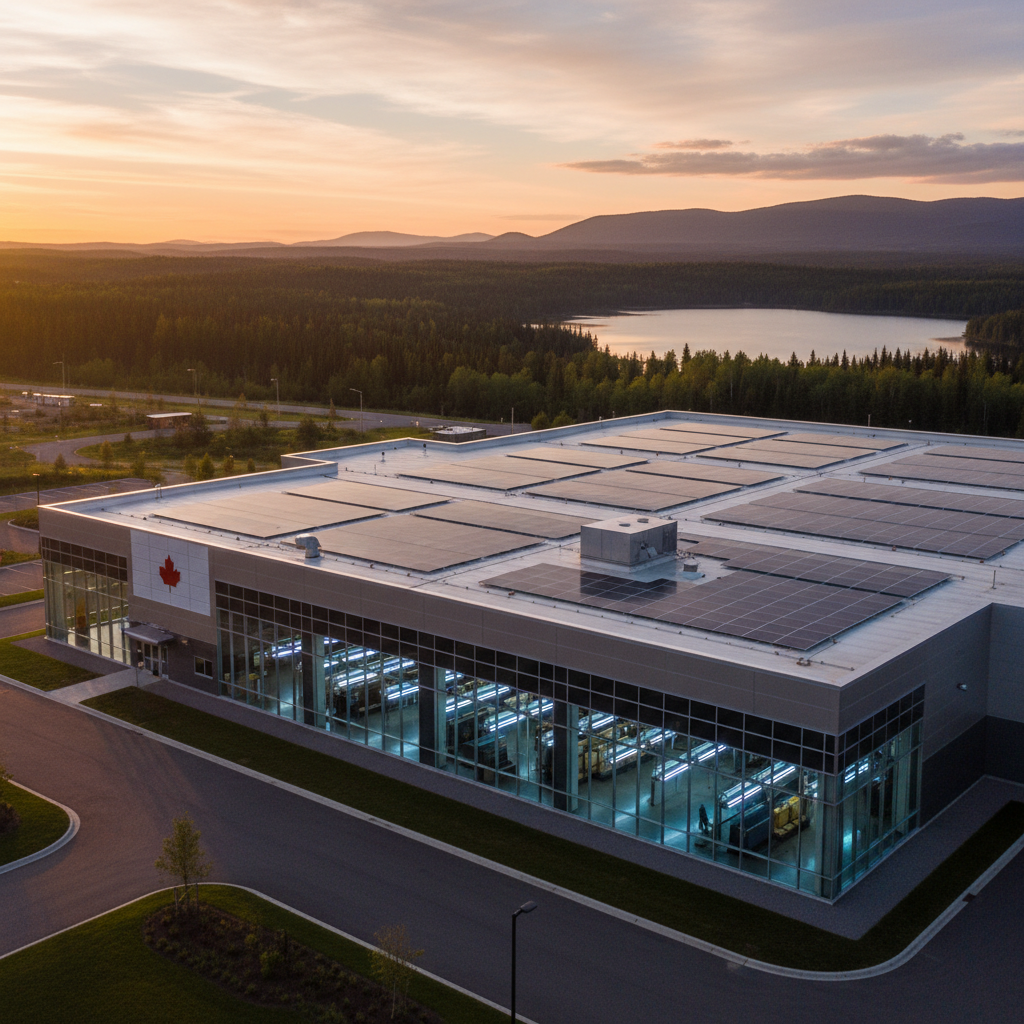
Chapter 7: Energy Performance Indicators and Measurement
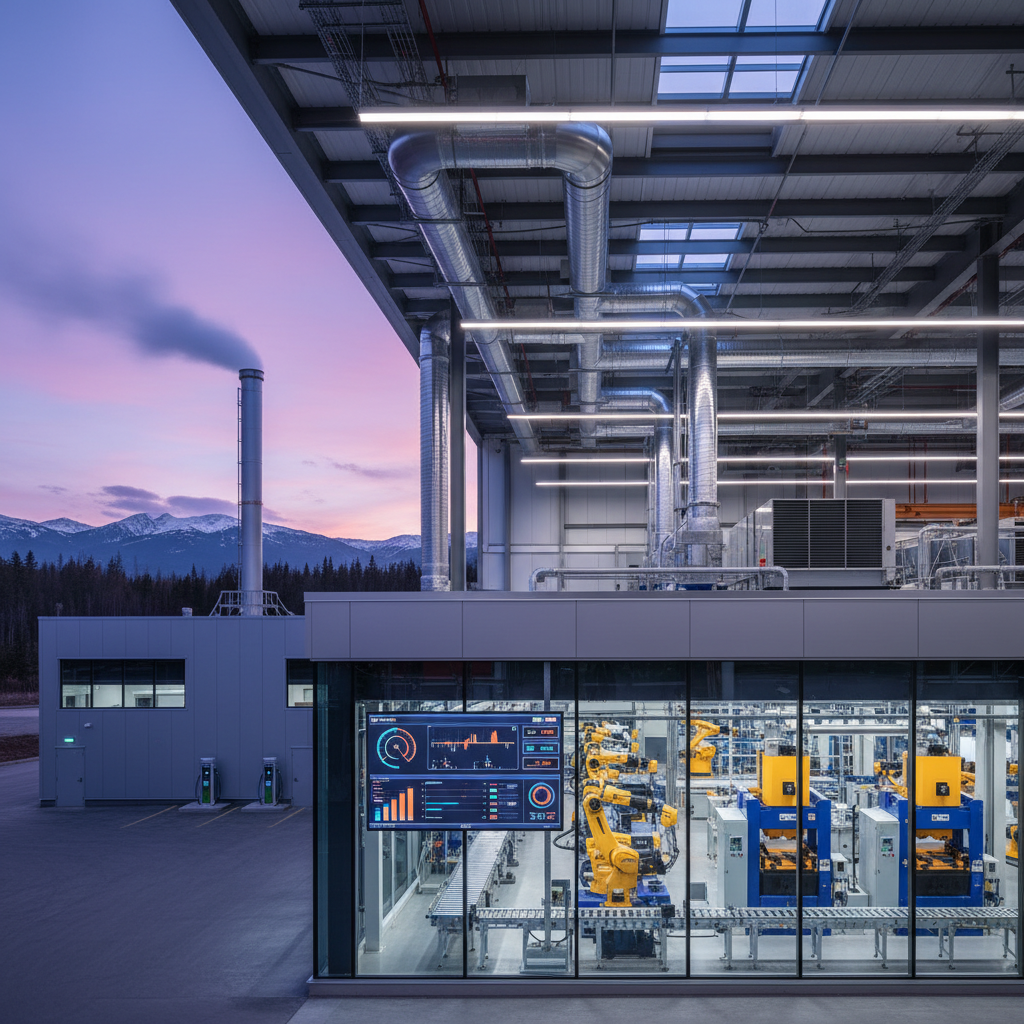
Chapter 7: Energy Performance Indicators and Measurement
Energy performance measurement is the foundation of ISO 50001. Without robust measurement and monitoring, organizations cannot verify whether they're making progress toward objectives, cannot identify where improvements are needed, and cannot demonstrate the energy savings that justify the certification investment.
Developing Energy Performance Indicators
Energy Performance Indicators (EnPIs) translate raw energy consumption data into meaningful metrics that reflect energy efficiency. Rather than tracking only kilowatt-hours or gigajoules, which fluctuate based on production levels and external factors, EnPIs normalize energy consumption relative to relevant business drivers.
Common EnPI types include:
Production-based indicators: Energy consumption per unit of production (e.g., megajoules per tonne of finished product, kilowatt-hours per unit manufactured). These are most meaningful because they reflect whether the organization is improving energy efficiency independent of production volume.
Area-based indicators: Energy consumption per square meter of facility space. These apply to facilities where energy consumption relates primarily to facility heating, cooling, and lighting rather than production processes.
Time-based indicators: Energy consumption per operating hour or per day. These might apply to facilities that can reduce operating hours through efficiency improvements.
System-based indicators: Energy consumption of specific equipment or systems (e.g., megajoules consumed by the compressed air system, kilowatt-hours consumed by the lighting system). These support focused improvement efforts on significant energy uses.
For most manufacturing facilities, production-based EnPIs are most relevant. A food processing facility might establish an EnPI of "megajoules per tonne of finished product." A beverage bottling facility might use "megajoules per thousand bottles produced." An automotive parts manufacturer might use "megajoules per part produced."
Energy Baseline Establishment
An Energy Baseline (EnB) is a quantitative reference point from a defined period used to compare actual energy performance. The baseline allows the organization to measure whether energy performance is improving, degrading, or remaining stable.
Baseline establishment requires:
- Selecting the baseline period: Typically the previous 12-24 months, selected to be representative of normal operating conditions
- Gathering baseline data: Collecting energy consumption records, production data, and other relevant operational metrics for the baseline period
- Analysing baseline data: Calculating actual energy consumption and calculating EnPI values
- Adjusting for fixed and variable factors: Determining which consumption factors are fixed (weather, facility size) and which vary with operational decisions (production levels, equipment efficiency)
For example, a manufacturing facility might establish a baseline using the previous 24 months of actual consumption data. If that facility consumed an average of 2,500 megajoules per month and produced an average of 125,000 units per month, the EnPI baseline would be 20 megajoules per unit.
Energy baselines allow organizations to distinguish between energy improvements resulting from conservation actions and changes that result from production volume or external factors.
Monitoring and Measurement Systems
ISO 50001 requires organizations to monitor and measure energy consumption against baselines and targets. This typically involves:
Metering infrastructure: Installing meters and monitoring equipment to measure energy consumption. Facilities should have utility meters (measuring total facility consumption) and process-specific meters (measuring consumption of significant energy uses).
Need guidance on your certification journey?
Our consultants have prepared more than 250 manufacturers globally — from growing businesses to large enterprises — for successful certification. Get a free, no-obligation consultation tailored to your industry.
Many Canadian manufacturing facilities rely on utility company meters that provide data monthly or quarterly—far too infrequent for effective management. organizations implementing ISO 50001 typically install additional submetering to monitor compressed air systems, production equipment, heating systems, and other significant energy uses on daily or weekly timescales.
Data collection processes: Establishing routines for collecting, recording, and maintaining energy consumption data. This might involve monthly meter readings, automatic data upload from smart meters, or manual data collection by facility personnel.
Trend analysis: Comparing actual consumption against baselines and targets, identifying consumption trends, and investigating variations. This might involve monthly energy management reviews where actual consumption is compared against expectations and any deviations are investigated.
Adjustment for relevant variables: Many facility energy consumption factors fluctuate based on weather, production levels, or other external factors. Properly structured EnPIs and monitoring processes account for these variations so that measurement reflects actual energy efficiency improvement.
For example, a facility's heating energy consumption will naturally increase during winter months. Rather than interpreting this as degraded performance, the monitoring process should adjust baseline expectations for weather and analyze whether actual consumption matches weather-adjusted expectations.
Monitoring Compressed Air Systems
For most Canadian manufacturing facilities, the compressed air system represents 25-35% of total facility energy consumption, yet it's often operated without any systematic monitoring. ISO 50001 implementation typically includes establishing compressed air system monitoring:
- Air compressor pressure: Monitoring actual operating pressure and comparing against optimal pressure (documented in the operational control procedure)
- Compressor runtime: Tracking the fraction of time the compressor operates versus idle time
- Demand patterns: Understanding when the facility requires compressed air and when demand could be reduced through process changes
- Leak detection: Establishing routines to identify and repair compressed air leaks (a facility with an average-condition compressed air system typically has 15-25% of air leakage)
A manufacturing facility implementing systematic compressed air monitoring often discovers that compressor pressure is 20-30 psi higher than necessary, that significant leaks exist, and that demand patterns could be optimized through production scheduling changes. These discoveries lead to immediate energy savings.
Monitoring Facility Heating and Cooling
For facilities in climates requiring significant heating (Ontario, Quebec, Alberta, Prairies) or cooling (some of British Columbia), heating and cooling system energy consumption is substantial:
- Temperature setpoints: Verifying that facility temperature is maintained at appropriate setpoints (typically 18-20 degrees Celsius during occupied hours, lower during unoccupied periods)
- Equipment efficiency: Comparing actual heating/cooling energy consumption against expected consumption for the facility size and climate
- Operational schedules: Verifying that heating and cooling systems operate only during occupied periods
Many Canadian facilities maintain excessive temperature setpoints or operate heating systems during unoccupied periods, resulting in unnecessary energy waste.
Lighting System Monitoring
Lighting typically represents 10-20% of facility energy consumption:
- Operating hours: Verifying that lighting operates only during occupied periods
- Illumination levels: Ensuring that lighting provides appropriate illumination without excessive overlighting
- Technology transition: Tracking progress toward LED lighting and occupancy-based controls
Request a Consultation
Fill in your details and we'll get back to you.