ISO 14001 Environmental Compliance for Ontario Manufacturers: Complete Guide
Why ISO 14001 Matters for Ontario Manufacturers in 2026
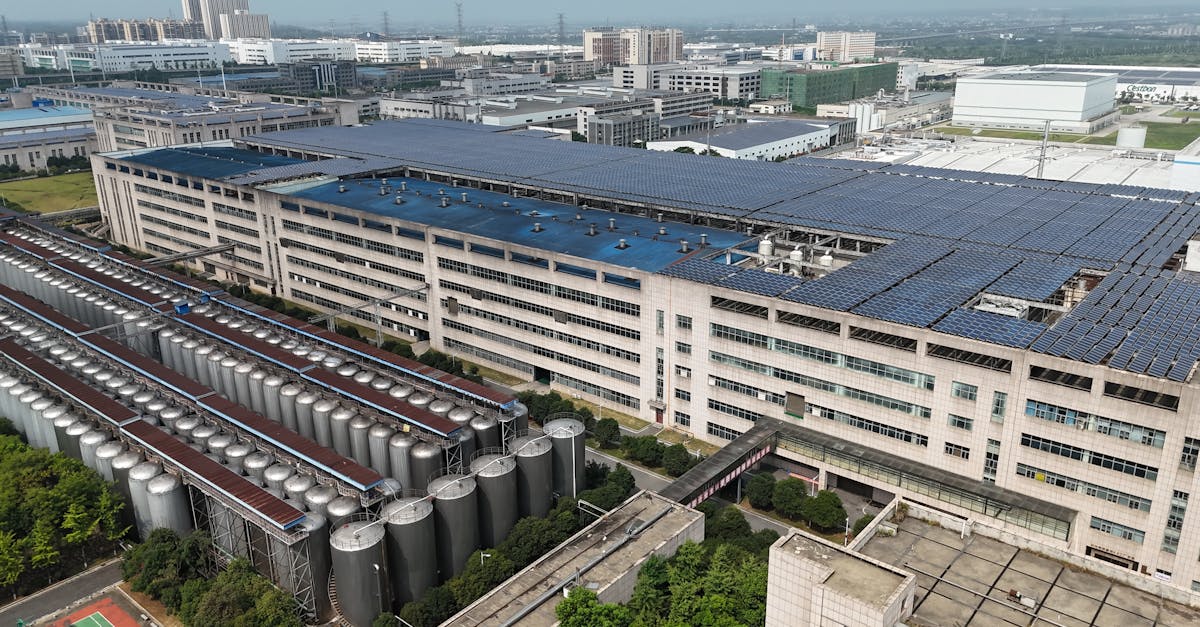
Ontario sits at the intersection of North America's most complex environmental pressures. The province hosts more than 50,000 manufacturing establishments, generates over $300 billion in annual GDP from goods-producing industries, and faces intensifying scrutiny from regulators, customers, and communities. For manufacturers operating along the Great Lakes corridor, within the Chemical Valley of Sarnia-Lambton, or in the industrial heartland stretching from Hamilton to Oshawa, environmental management is no longer a peripheral concern. It is a strategic imperative that determines market access, regulatory standing, and long-term operational viability.
The international standard for environmental management systems, ISO 14001, provides a structured framework for organizations to manage their environmental responsibilities in a systematic manner. First published in 1996 and most recently revised in 2015, the standard has been implemented by more than 400,000 organizations worldwide. In Ontario alone, adoption has accelerated significantly since 2020, driven by supply chain mandates from automotive OEMs, regulatory tightening under the Environmental Protection Act, and growing customer expectations for demonstrated environmental stewardship.
The timing for this acceleration could not be more consequential. The International Organization for Standardization (ISO) has initiated a formal revision of ISO 14001, with the updated standard expected to be published by late 2026 or early 2027. This revision will introduce substantial new requirements around climate change, biodiversity, life cycle thinking, and stakeholder engagement. For Ontario manufacturers that have not yet implemented an environmental management system (EMS), the window to build a compliant system before the new requirements take effect is narrowing. For those already certified, preparation for transition must begin now.
The Environmental Landscape Facing Ontario Manufacturers
Ontario's manufacturing sector operates under one of North America's most layered regulatory environments. Federal legislation including the Canadian Environmental Protection Act (CEPA), the Fisheries Act, and the Impact Assessment Act establishes baseline requirements for emissions, effluent, and environmental reporting. Provincial legislation, particularly the Environmental Protection Act (EPA), the Ontario Water Resources Act, and the Toxics Reduction Act, adds additional compliance obligations that vary by sector, region, and facility classification.
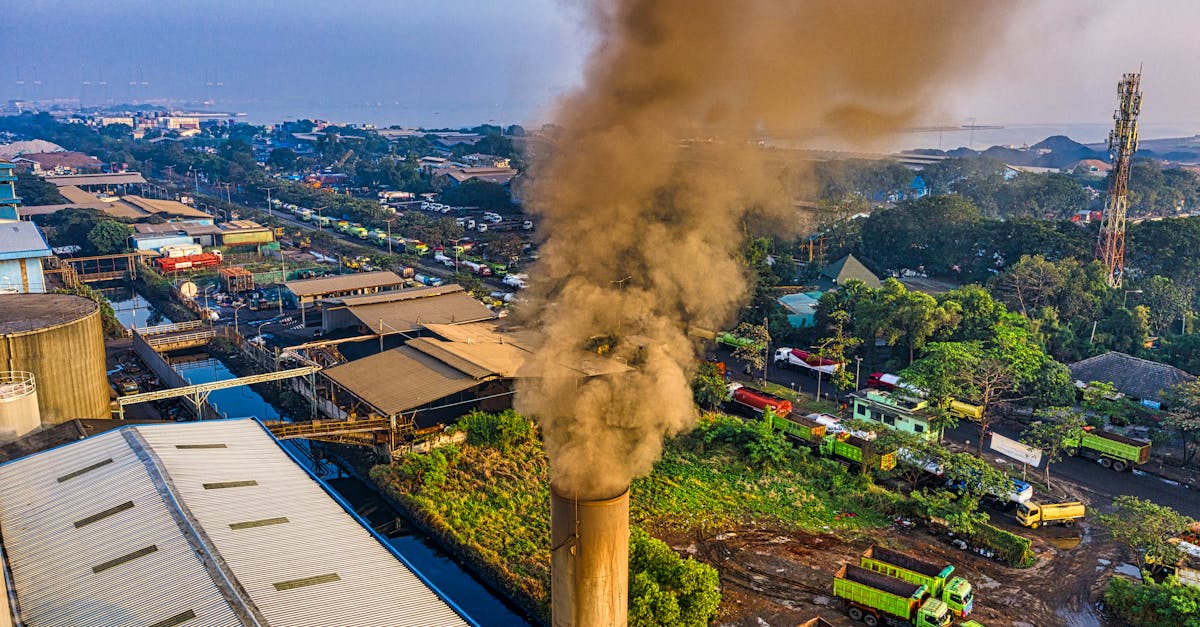
The Ontario Ministry of the Environment, Conservation and Parks (MECP) has steadily increased enforcement activity over the past five years. Environmental penalties under the Environmental Penalties Regulation (O. Reg. 222/07) can reach $100,000 per day for non-compliance. Provincial Officers now conduct more unannounced inspections, and the ministry's environmental compliance approach has shifted from purely reactive enforcement to proactive, data-driven oversight that leverages continuous emissions monitoring and sector benchmarking.
Beyond regulatory compliance, market forces are exerting equal or greater pressure. Major automotive manufacturers including General Motors, Toyota, and Stellantis now require Tier 1 and Tier 2 suppliers to demonstrate certified environmental management systems. The Canada-European Union Comprehensive Economic and Trade Agreement (CETA) has opened European markets to Canadian manufacturers, but European buyers routinely require ISO 14001 certification as a precondition for contract consideration. Federal procurement policies increasingly favor organizations that can demonstrate environmental management credentials.
Consider the case of Lakeshore Environmental Technologies, a plastics recycling operation in Sarnia-Lambton, Ontario. Operating within Canada's Chemical Valley, Lakeshore processes post-industrial and post-consumer plastics into recycled pellets for automotive, packaging, and construction applications. The facility manages significant environmental aspects: volatile organic compound (VOC) emissions from extrusion processes, wastewater discharge containing microplastics, energy consumption from continuous operations, and waste streams that include non-recyclable residue requiring landfill disposal.
When Lakeshore's largest automotive customer issued a supply chain directive in early 2025 requiring all Tier 2 suppliers to achieve ISO 14001 certification within 18 months, the company faced a familiar dilemma. Environmental management had been handled informally: the operations manager tracked waste manifests in a spreadsheet, air quality monitoring was conducted only when required for Environmental Compliance Approval (ECA) renewals, and spill response procedures existed as a dusty binder on a shelf in the plant manager's office. The gap between current practice and the systematic approach required by ISO 14001 was significant.
Lakeshore's experience is representative of thousands of Ontario manufacturers. The environmental management gap is not one of intent but of structure. Most manufacturers care about environmental performance. Most comply with the regulations they know about. What they lack is a framework that connects regulatory obligations, operational controls, performance monitoring, and improvement initiatives into a coherent, auditable system.
What an Environmental Management System Actually Provides
ISO 14001 does not prescribe specific environmental performance levels. It does not mandate emissions limits, waste reduction targets, or energy efficiency standards. What the standard requires is a management system: a structured approach to identifying environmental aspects, assessing their significance, establishing controls, monitoring performance, and driving continual improvement.
This distinction is critical. An EMS built to ISO 14001 requirements creates organizational infrastructure that makes environmental performance manageable. It establishes clear accountability for environmental responsibilities. It requires documented procedures for activities that can cause environmental impact. It mandates monitoring of key environmental indicators. And it creates a feedback loop through internal audits and management reviews that forces the organization to confront its performance gaps and take action.
For Lakeshore Environmental Technologies, implementing an EMS meant transforming fragmented environmental activities into an integrated system. VOC monitoring became part of a documented operational control procedure linked to the company's environmental aspects register. Wastewater testing shifted from an ad hoc activity to a scheduled monitoring program with defined acceptance criteria and escalation protocols. The spill response binder became a living emergency preparedness and response procedure, tested through quarterly drills and updated based on drill findings.
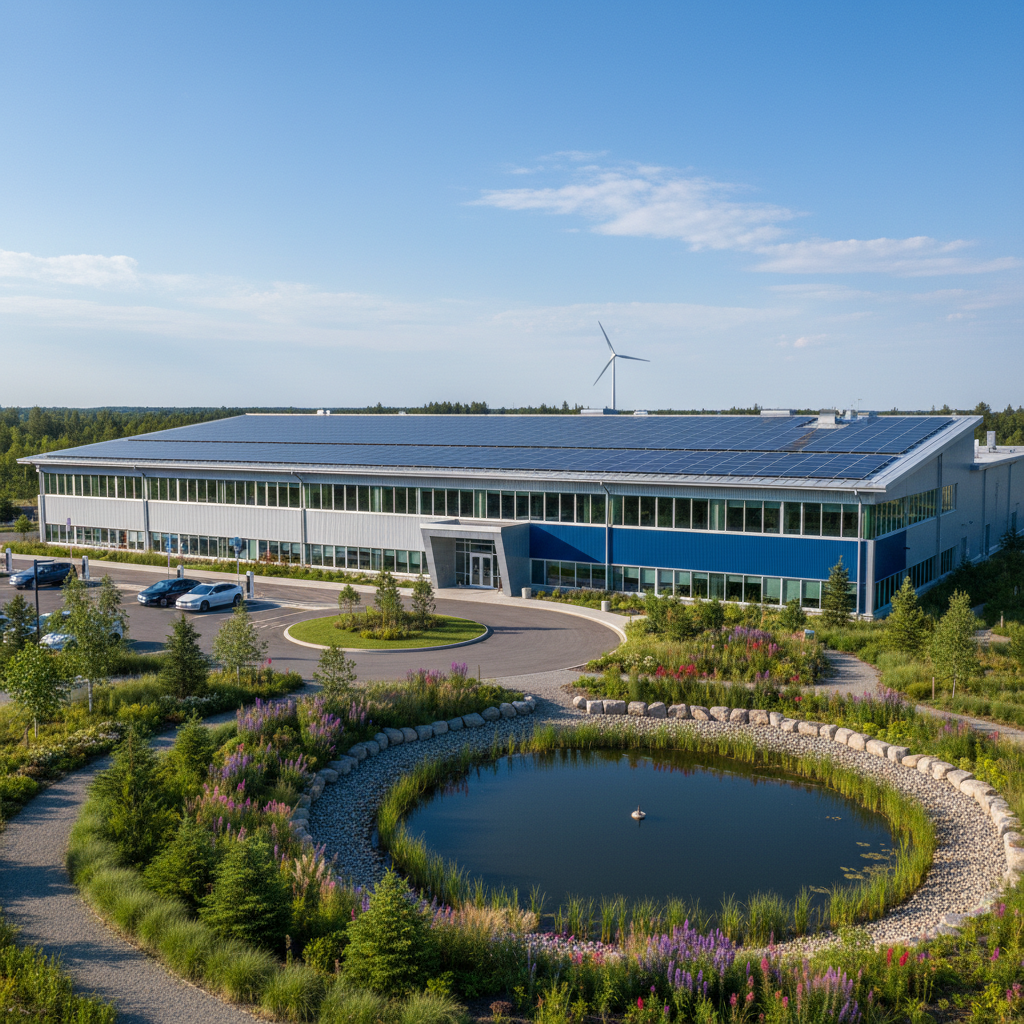
The tangible benefits of this transformation extend well beyond certification. Insurance underwriters provide more favorable terms to ISO 14001-certified organizations because the systematic approach to environmental risk reduces the probability and severity of environmental incidents. Banks and lenders increasingly consider environmental management maturity when assessing credit risk, particularly for manufacturing operations with significant environmental footprints. Employees at organizations with mature EMS programs report higher engagement because they understand how their daily work connects to environmental outcomes.
The 2026 Revision: A New Era for Environmental Management
The upcoming revision of ISO 14001 represents the most significant evolution of the standard since its original publication in 1996. The revision committee (ISO/TC 207/SC 1) has signaled that the updated standard will address several areas where the 2015 version has been criticized as insufficient:
Need guidance on your certification journey?
Our consultants have prepared more than 250 manufacturers globally — from growing businesses to large enterprises — for successful certification. Get a free, no-obligation consultation tailored to your industry.
- Climate change: The current standard does not explicitly address climate change. The 2026 revision is expected to require organizations to consider climate change risks and opportunities as part of their environmental aspects assessment and strategic planning.
- Biodiversity and ecosystems: Growing global attention to biodiversity loss will likely result in new requirements for organizations to assess their impacts on ecosystems and biological diversity, particularly those operating near sensitive ecological areas.
- Life cycle perspective: While ISO 14001:2015 introduced life cycle thinking, the revision is expected to strengthen requirements for organizations to consider environmental impacts across the full product life cycle, from raw material extraction through end-of-life management.
- Stakeholder engagement: Enhanced requirements for engaging with interested parties, including local communities, indigenous communities, regulators, and supply chain partners, on environmental matters.
- Alignment with the Harmonized Structure: Updates to align with the latest version of Annex SL, the high-level structure shared by all ISO management system standards, facilitating integration with ISO 9001, ISO 45001, and other standards.
For Ontario manufacturers, these changes carry particular weight. The province's proximity to the Great Lakes, home to 20 percent of the world's surface fresh water, makes biodiversity and ecosystem considerations directly relevant to manufacturing operations from Windsor to Kingston. Climate change requirements will intersect with federal carbon pricing obligations and provincial emissions reporting under the Greenhouse Gas Emissions Performance Standards. Life cycle requirements will affect manufacturers across all sectors as customers demand greater transparency about the environmental footprint of products and materials.
Who This Series Is For
This guide series is designed for Ontario manufacturers at three distinct stages of environmental management maturity:
- Organizations beginning their ISO 14001 journey: Manufacturers that have identified the need for an EMS, whether driven by customer requirements, regulatory pressure, or strategic objectives, and need a structured roadmap for implementation.
- Organizations preparing for certification: Manufacturers that have begun implementing environmental management practices and need to close gaps, formalize procedures, and prepare for the Stage 1 and Stage 2 certification audits.
- Organizations planning for the 2026 revision: Currently certified manufacturers that need to understand the upcoming changes and develop a transition plan that maintains certification continuity while integrating new requirements.
Whether operating a small machine shop in Mississauga, a food processing facility in the Golden Horseshoe, or a plastics recycling operation in Sarnia-Lambton like Lakeshore Environmental Technologies, the principles and practices covered in this series apply. The examples draw from Ontario's diverse manufacturing landscape, but the framework is universally applicable to any manufacturer operating under the province's regulatory environment.
What This Series Covers
The series progresses through ten chapters, each building on the previous to create a comprehensive implementation and management guide:
- Understanding ISO 14001:2015 Structure and Core Requirements — A detailed examination of the standard's clause structure, the Plan-Do-Check-Act cycle, and the key requirements that form the foundation of every EMS.
- The 2026 Revision: What's Changing and How to Prepare — Analysis of the expected changes in the upcoming revision, their implications for Ontario manufacturers, and strategies for proactive transition planning.
- Environmental Aspects and Impact Assessment — The methodology for identifying environmental aspects, assessing their significance, and establishing the foundation for operational controls and improvement objectives.
- Ontario's Environmental Legal and Regulatory Framework — A comprehensive review of the federal, provincial, and municipal regulations that define the compliance obligations landscape for Ontario manufacturers.
- Planning and Implementing the EMS — Practical guidance on establishing objectives, developing programs, allocating resources, and implementing the management system across the organization.
- Operational Controls and Emergency Preparedness — Designing and implementing controls for significant environmental aspects and building effective emergency preparedness and response capabilities.
- Monitoring, Measurement, and Evaluation — Establishing performance indicators, monitoring programs, compliance evaluation processes, and data management systems.
- Management Review, Internal Audit, and Continual Improvement — Building the feedback mechanisms that drive ongoing system effectiveness and environmental performance improvement.
- Integration with ISO 9001 and ISO 45001: Building an Integrated Management System — Strategies for combining environmental, quality, and occupational health and safety management systems into a unified framework.
Each chapter threads the ongoing experience of Lakeshore Environmental Technologies through its narrative, providing a consistent case study that illustrates how abstract requirements translate into concrete operational practices within a real Ontario manufacturing context.
The Business Case for Environmental Management
The financial argument for ISO 14001 implementation extends well beyond avoiding penalties. Research published by the Journal of Cleaner Production and the Academy of Management Journal consistently demonstrates that organizations with mature environmental management systems outperform their peers on multiple financial metrics. Waste reduction initiatives driven by EMS programs typically generate annual savings of 2 to 5 percent of total operating costs. Energy efficiency improvements identified through systematic environmental review reduce utility expenditures. Reduced environmental incidents lower insurance premiums, legal costs, and remediation expenses.
For Lakeshore Environmental Technologies, the business case crystallized quickly during the gap analysis phase of implementation planning. The company was spending approximately $180,000 annually on waste disposal, including significant costs for residue that could potentially be diverted from landfill through process optimization. Energy costs for the extrusion and pelletizing operations exceeded $400,000 per year, with no systematic program to identify efficiency opportunities. The environmental aspects assessment alone, conducted as part of the initial EMS development, revealed twelve operational improvements that would reduce both environmental impact and operating costs.
The risk mitigation dimension of the business case is equally compelling. An environmental incident at a manufacturing facility, whether a chemical spill, an unauthorized emission, or a contamination of stormwater drainage, can generate costs that dwarf the investment required for EMS implementation. Remediation costs for even a moderate soil or groundwater contamination event in Ontario routinely exceed $500,000, and major incidents can cost tens of millions of dollars. Beyond direct costs, environmental incidents trigger regulatory scrutiny, damage customer relationships, and erode the community trust that manufacturers depend on for continued operating license. A functioning EMS does not eliminate environmental risk entirely, but it reduces the probability and severity of incidents through systematic identification, control, and monitoring of environmental aspects.
Ontario manufacturers that invest in ISO 14001 implementation position themselves for competitive advantage in an economy that is increasingly pricing environmental performance into every transaction. The standard provides the structure. The following chapters provide the roadmap. For manufacturing organizations ready to build an environmental management system that delivers both compliance and competitive advantage, the journey begins with understanding the standard itself.
Table of Contents
Understanding ISO 14001:2015: Structure and Core Requirements
The structure and core requirements of ISO 14001:2015
The ISO 14001:2026 Revision: What's Changing and How to Prepare
Key changes in the 2026 revision and transition planning
Environmental Aspects and Impact Assessment for Ontario Manufacturers
How to identify and assess environmental aspects and impacts
Chapter 4: Ontario's Environmental Legal and Regulatory Framework
Ontario's environmental laws and how they align with ISO 14001
Chapter 5: Planning and Implementing Your EMS (Clauses 6-8)
Step-by-step EMS planning and implementation guide
Chapter 6: Operational Controls and Emergency Preparedness
Operational controls, waste management, and emergency response
Chapter 7: Monitoring, Measurement, and Evaluation (Clause 9)
Environmental monitoring, measurement, analysis, and evaluation
Chapter 8: Management Review, Internal Audit, and Continual Improvement
Internal audits, management reviews, and driving continual improvement
Chapter 9: Integration with ISO 9001 and ISO 45001 — Building an IMS
Integrating ISO 14001 with ISO 9001 and ISO 45001 for a unified management system
Request a Consultation
Fill in your details and we'll get back to you.