ISO 14001 vs ISO 45001: Which Certification Do Canadian Manufacturers Need in 2026?

ISO 14001 vs ISO 45001: Which Certification Do Canadian Manufacturers Need in 2026?
For a mid-size Canadian manufacturer, the cost of implementing both ISO 14001 and ISO 45001 can be broken down to approximately $600-$1,167 per employee, assuming a workforce of 30-50 staff, with total investment ranging from $18,000 to $35,000, whereas implementing a single standard would cost between $12,000 and $22,000.
The question of ISO 14001 vs ISO 45001 that Canadian manufacturers must answer is not purely academic — it has direct consequences for contract eligibility, regulatory exposure, and operational risk. We see this decision point regularly when working with manufacturers across Ontario, Alberta, and British Columbia who are responding to customer questionnaires that ask for one or both certifications. The wrong choice — or a delayed choice — can cost a manufacturer a tier-1 supply contract.
Both standards come from the International Organization for Standardization and use the same Annex SL framework, but they address fundamentally different risk categories. This article breaks down what each standard actually requires, where they overlap, and how to make the decision that fits your facility's 2026 priorities.
ISO 14001 vs ISO 45001: Key Differences at a Glance
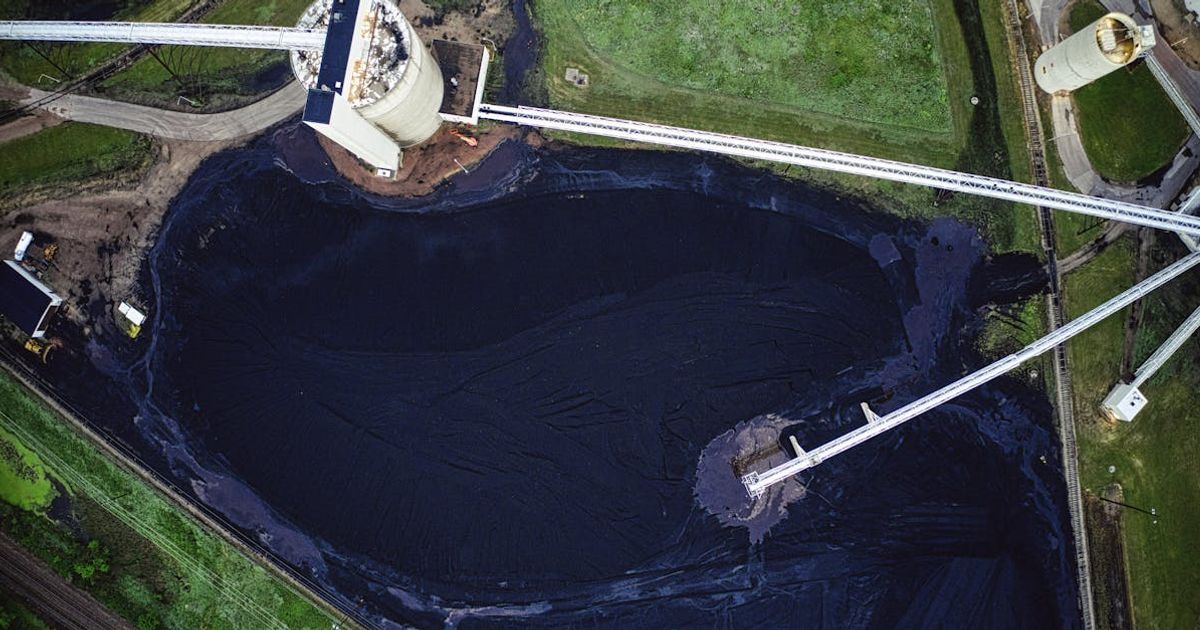
At their core, ISO 14001:2015 targets your environmental footprint — emissions, waste streams, water use, and your organization's legal obligations under federal and provincial environmental legislation. ISO 45001:2018, by contrast, targets the physical and psychological safety of every worker who steps onto your floor.
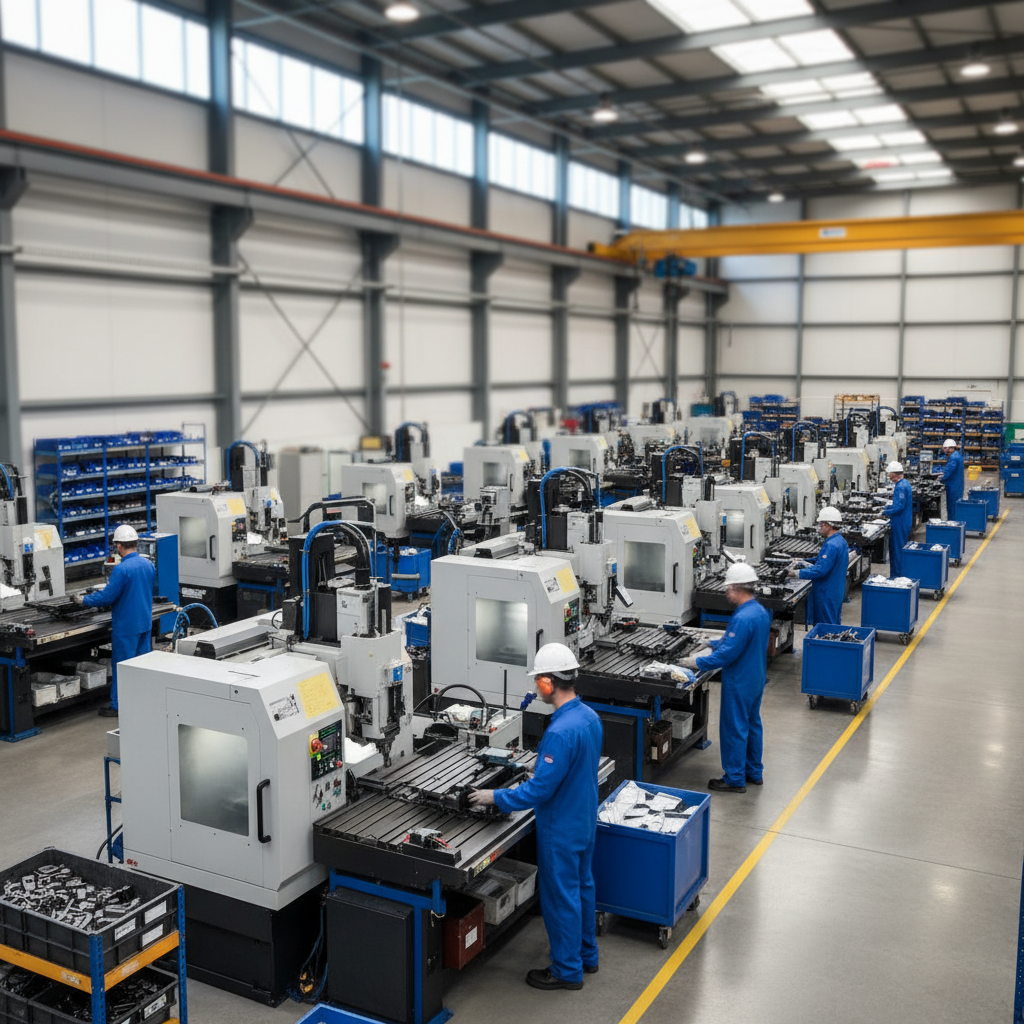
Both standards require a risk-based approach, documented management systems, internal audits, and management review. The difference is in what risks you are managing and which regulatory bodies are watching. Under ISO 14001, those bodies include Environment and Climate Change Canada and provincial ministries such as Ontario's MECP. Under ISO 45001, the primary regulatory framework is the Canada Labour Code (for federally regulated employers) or provincial occupational health and safety acts.
| Dimension | ISO 14001:2015 | ISO 45001:2018 |
|---|---|---|
| Focus | Environmental aspects and impacts | Occupational hazards and worker safety |
| Key Clause | Clause 6.1.2 — Environmental aspects | Clause 6.1.2 — Hazard identification |
| Regulatory Link | Environmental Protection Act, provincial EMS regs | Federal/provincial OHS legislation |
| Worker Participation | Recommended | Mandatory (Clause 5.4) |
| Emergency Response | Environmental incidents | Workplace injury/illness incidents |
ISO 14001 Environmental Management System Explained
ISO 14001 certification requirements center on an organization's ability to identify environmental aspects — activities or products that interact with the environment — and control the significant ones. Clause 6.1.2 requires manufacturers to systematically evaluate which aspects can cause significant environmental impacts, from solvent emissions in a finishing line to coolant disposal in a machining operation.

The standard does not prescribe specific environmental performance targets. Instead, it requires that you set measurable environmental objectives (Clause 6.2) and that you can demonstrate continuous improvement over time. For a metal fabricator in Hamilton generating 40 tonnes of scrap steel per year, that might mean tracking scrap diversion rates quarter over quarter.
For Canadian manufacturers, the environmental management system must also capture compliance obligations — a term ISO 14001 uses to encompass both legal requirements and voluntary commitments. This includes operating approvals from provincial ministries, discharge permits, and any sustainability commitments made to customers. Manufacturers who supply into the US market will also find that aligning with ISO 14001 simplifies compliance reporting against frameworks referenced by the US Environmental Protection Agency for cross-border environmental performance.
Did You Know?
ISO 14001 is the most widely adopted environmental management standard in the world, with over 300,000 certificates issued globally. In Canada, certified manufacturers consistently report reduced waste disposal costs averaging 12–18% within the first two years of implementation.
Our ISO 14001 Environmental service page outlines the specific documentation and gap assessment process we use to bring Canadian manufacturers to certification readiness.
ISO 45001 Occupational Health & Safety Management Explained
ISO 45001 implementation in Canada requires a more participatory approach than its predecessor OHSAS 18001. Clause 5.4 is explicit: workers at all levels must be involved in the development, implementation, and continual improvement of the OH&S management system. This is not a documentation exercise — auditors from bodies such as Exemplar Global certified registrars will interview floor-level workers to verify that participation is genuine and ongoing.

The hazard identification process under Clause 6.1.2 of ISO 45001 is broader than most manufacturers expect. It covers not just physical hazards — machinery, falls, chemical exposure — but also ergonomic risk, psychosocial hazards such as workplace violence and harassment, and emergency response scenarios. For a food-grade equipment manufacturer running three shifts, this means documented hazard assessments for each shift configuration, not just a single generic risk register.
Clause 8.1.3 requires the management of change — any planned change in processes, equipment, or staffing must be assessed for new OH&S risks before implementation. This is where manufacturers who have recently expanded their floor space or added robotic welding cells frequently have documented gaps during Stage 1 audits.
Key Consideration
If your facility has experienced a lost-time injury in the past 24 months, ISO 45001 implementation will likely surface systemic gaps in your hazard identification process. Use this as a diagnostic opportunity, not just a compliance exercise.
Our full ISO 45001 Certification Canada: Complete Guide for 2026 walks through each clause requirement with specific examples from Canadian shop floors.
When Canadian Manufacturers Need Both Standards
Integrated management systems for manufacturers have moved from best practice to commercial necessity in several Canadian sectors. Tier-1 automotive suppliers in Windsor and Oshawa regularly receive supplier questionnaires from OEMs requiring current ISO 14001 and ISO 45001 certificates as a condition of maintaining approved supplier status. The same pattern appears in Alberta's oil and gas fabrication sector and in federal Crown procurement for industrial equipment.
The practical case for pursuing both simultaneously is strong. Because both standards use Annex SL, the shared elements — context of the organization (Clause 4), leadership (Clause 5), planning (Clause 6), support (Clause 7), and management review (Clause 9.3) — can be documented once and satisfy both standards. A manufacturer building separate management systems for each standard wastes roughly 35–40% more consulting and implementation time than one pursuing an integrated approach.
Important
Pursuing ISO 14001 and ISO 45001 as an integrated system does not mean they share the same certification audit. Each standard requires a separate certificate from an accredited certification body. However, many registrars offer combined audits that reduce total audit days by 20–30%.
Auditor certification bodies such as CQI/IRCA train auditors who can conduct integrated audits against both standards, which streamlines the recertification cycle considerably.
Implementation Costs and Timeline in 2026

Consider the experience of Lakeview Industrial Fabricators in Sarnia, Ontario, a 65-person contract manufacturer serving petrochemical clients. In early 2026, they initiated a combined ISO 14001 and ISO 45001 implementation after a major client added both certifications to its approved supplier requirements. Their gap assessment revealed mature safety practices but underdeveloped environmental aspect documentation. The integrated implementation took 11 months from gap assessment to certification audit, at a total project cost of approximately $27,000 including consulting fees, internal staff time, and certification body fees.
Need guidance on your certification journey?
Our consultants have prepared more than 250 manufacturers globally — from growing businesses to large enterprises — for successful certification. Get a free, no-obligation consultation tailored to your industry.
For manufacturers considering the investment, here is a realistic cost breakdown for 2026:
- Single standard certification (ISO 14001 or ISO 45001 alone): $12,000–$22,000 total, spanning 8–14 months. This includes gap assessment ($2,500–$4,500), documentation development, internal audit training, and certification body fees for a manufacturer with 30–100 employees.
- For a Canadian manufacturing facility pursuing integrated dual certification, the total investment for ISO 14001 and ISO 45001 can range from $18,000 to $35,000 over a 10- to 16-month period, with the added cost of implementing a second standard being approximately 40-50% more than a single certification, due to the efficiencies gained from shared documentation and combined audit processes.
- Recertification cycle costs: Both standards operate on a three-year certification cycle with annual surveillance audits. Budget $3,500–$7,000 per year for surveillance audit fees and ongoing consultant support.
Manufacturers who want a detailed phase-by-phase breakdown should review our Our 4-Step Process, which maps consulting activities to each stage of the certification journey. For a comparable look at what ISO 9001 certification timelines and costs look like alongside environmental and safety work, our Chapter 11: ISO 9001 Certification Timeline and Cost for Canadian Manufacturers provides useful benchmarks.
How to Choose Between ISO 14001 and ISO 45001
The decision framework comes down to four questions:
- What do your customers require? Review your top five customer contracts and any active RFQ packages for explicit certification requirements. If two or more require ISO 45001 and none mention ISO 14001, start there.
- Where is your regulatory exposure? A manufacturer with an environmental compliance order from a provincial ministry has a more pressing case for ISO 14001. A manufacturer with a history of OHS orders or a WorkSafeBC inspection history should prioritize ISO 45001.
- What is your three-year growth target? If you are pursuing federal procurement or automotive tier-1 contracts within 36 months, plan for both standards now. Retrofitting a second standard onto an existing single-standard system is always more expensive than building for integration from the start.
- What does your workforce risk profile look like? Facilities running heavy press lines, elevated work platforms, or hazardous chemical processes have a worker safety risk profile that makes ISO 45001 a non-negotiable foundation. Environmental risks can often be managed through existing provincial permits until ISO 14001 becomes a customer requirement.
Quality management professionals and certification consultants consistently observe that manufacturers who ask "which one" are often best served by a phased integrated approach — certifying to one standard first, then adding the second within 12–18 months using the existing management system framework as the foundation.
Frequently Asked Questions
Can a manufacturer implement ISO 14001 and ISO 45001 together?
Yes, and for most Canadian manufacturers with more than 50 employees, this is the most cost-effective path. Both standards share the same High-Level Structure, meaning that your context analysis, leadership commitment documentation, objectives framework, and internal audit program can be built once to serve both. The key distinction is that each standard still requires its own certification audit and separate certificate from the registrar. Most accredited certification bodies operating in Canada offer combined audit programs that can reduce total audit days by 20–25%.
What are the main compliance differences between ISO 14001 and ISO 45001 in Canada?
ISO 14001 compliance links to federal and provincial environmental legislation — the Canadian Environmental Protection Act, provincial Environmental Protection Acts, and facility-specific operating approvals or discharge permits. ISO 45001 compliance links to occupational health and safety legislation, which in Canada is primarily provincial (e.g., Ontario's Occupational Health and Safety Act, Alberta's OHS Act) except for federally regulated employers under Part II of the Canada Labour Code. Both standards require you to identify and document your specific compliance obligations under Clause 6.1.3, so the compliance mapping exercise is similar even though the regulatory bodies differ.
How much does ISO 14001 vs ISO 45001 certification cost for manufacturers in 2026?
For a Canadian manufacturing operation with 30-100 employees, the cost of implementing a single ISO standard can be broken down to approximately $400-$730 per employee, covering the entire certification process, from gap assessment to certification body fees, with total costs ranging from $12,000 to $22,000. In contrast, pursuing integrated dual certification, which involves managing the requirements of both ISO 14001 and ISO 45001, can result in a total investment of $18,000 to $35,000, due to the increased complexity of aligning with multiple standards. To put these costs into perspective, the annual surveillance audits required to maintain certification, priced between $3,500 and $7,000, are a relatively small fraction of the initial investment, yet crucial for ensuring ongoing compliance, with these estimates based on 2026 market rates and assuming a consultant-supported implementation to optimize the certification process.
Do automotive suppliers need both ISO 14001 and ISO 45001?
Most tier-1 and tier-2 automotive suppliers in Canada are already required to hold IATF 16949 for quality management, but OEM supplier codes increasingly require ISO 14001 as a standalone certificate alongside it. ISO 45001 requirements vary by OEM — some have made it a mandatory supplier requirement, while others treat it as a competitive differentiator on RFQ scoring sheets. Suppliers to Ford, GM, and Stellantis facilities in Ontario should audit their current supplier agreements carefully, as these requirements have been tightening since 2024 and show no sign of relaxing.
What is the audit timeline difference between ISO 14001 and ISO 45001?
The audit timeline for both standards is structurally similar: a Stage 1 document review audit followed by a Stage 2 on-site certification audit, then annual surveillance audits in years one and two, and a full recertification audit in year three. The Stage 1 and Stage 2 audits for either standard typically span two to four audit days for a mid-size manufacturer, depending on employee headcount and scope complexity. In practice, ISO 45001 Stage 2 audits tend to generate more findings related to worker participation and management of change, which can extend the time to certificate issuance if corrective actions require follow-up evidence.
When your team is ready to stop debating which certification to pursue and start building a management system that earns and keeps it, contact our senior consultants for a no-obligation gap assessment — we will map your current documentation against both standards and give you a clear recommendation within five business days.
Request a Consultation
Fill in your details and we'll get back to you.