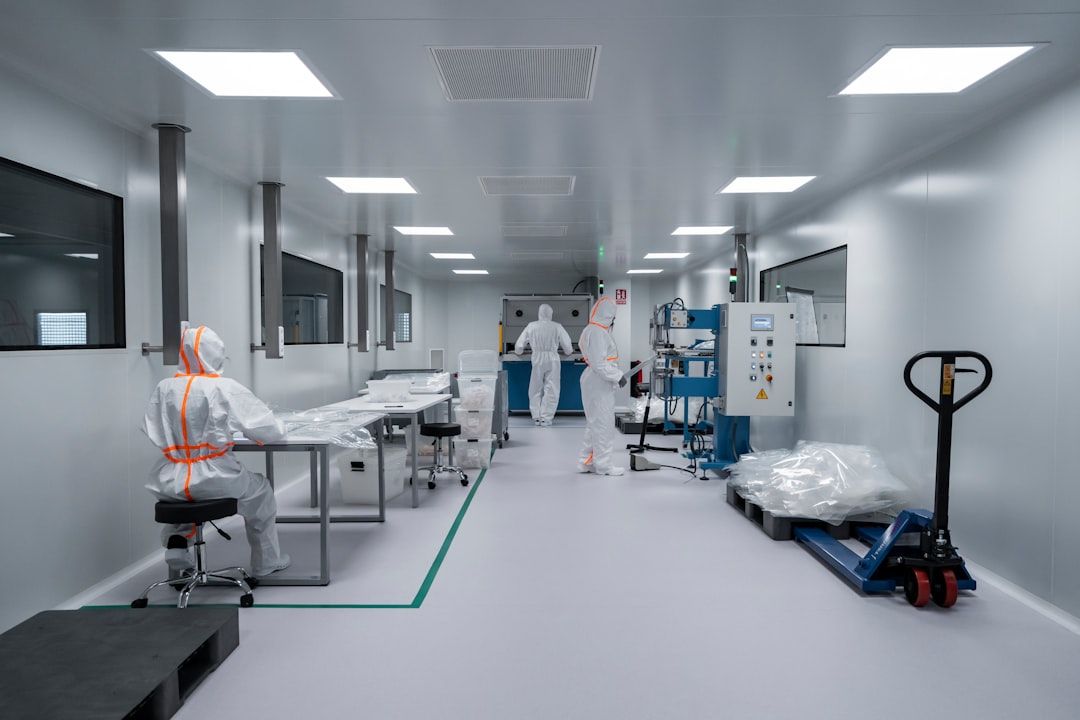
ISO 13485 Consultant in Mississauga, Ontario: A Complete Guide for Medical Device and Pharmaceutical Manufacturers
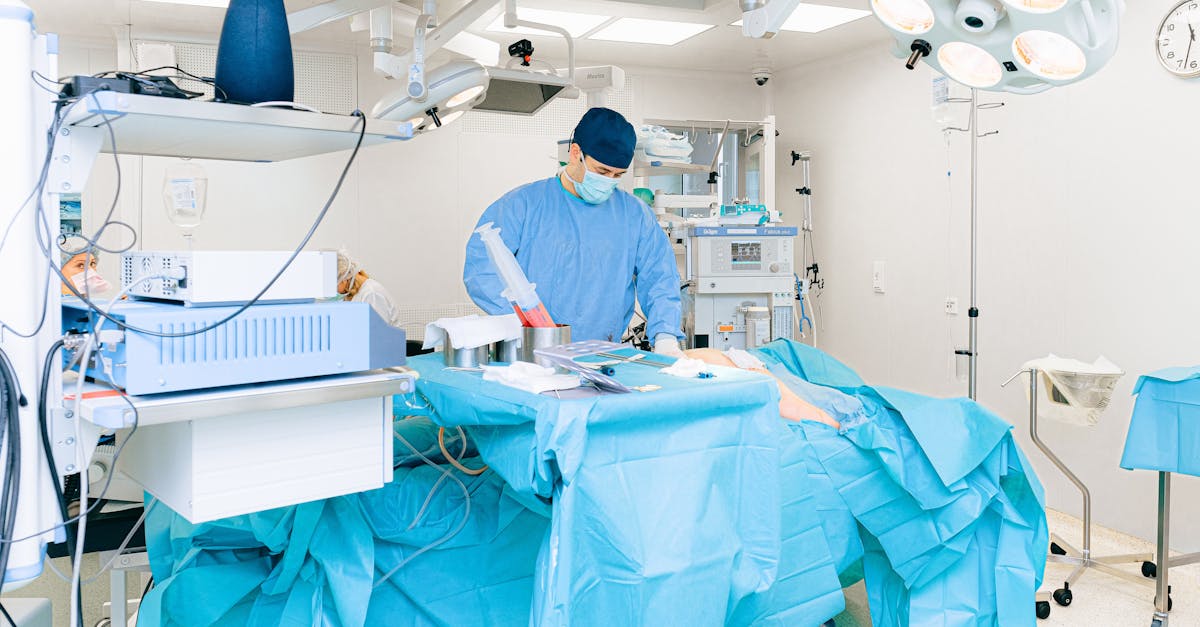
Why Mississauga Has Become the Hub for Medical Device Certification in Ontario
Mississauga, Ontario, sits at the center of one of Canada's most concentrated life sciences corridors. With global pharmaceutical giants like Sanofi, AstraZeneca, and Bausch + Lomb maintaining major operations in the region, the city has developed a deep ecosystem of medical device and pharmaceutical expertise. For manufacturers seeking ISO 13485 certification, finding a qualified ISO 13485 consultant in Mississauga, Ontario, offers distinct advantages that extend beyond geographic convenience.
The proximity to Toronto's world-class hospital networks, including Trillium Health Partners and University Health Network (UHN), creates a direct pipeline for clinical feedback and product validation. Mississauga's position along the Highway 403 and QEW industrial corridor provides manufacturers with efficient supply chain logistics, while Pearson International Airport — Canada's busiest — enables rapid distribution of medical devices to global markets. These factors combine to make Mississauga an ideal location for medical device companies pursuing ISO 13485 certification with the support of experienced consultants who understand both the standard's requirements and the local regulatory landscape.
Health Canada's Medical Devices Regulations under SOR/98-282 require that all Class II, III, and IV medical devices sold in Canada are manufactured under a certified quality management system. ISO 13485 is the internationally recognized standard that satisfies this requirement. For Mississauga-based manufacturers, the path to certification demands more than a generic quality system — it requires a consultant who can integrate Health Canada's specific expectations with ISO 13485's clause-by-clause requirements.
Understanding ISO 13485 Requirements for Mississauga Manufacturers
ISO 13485:2016 establishes a comprehensive quality management system framework specifically designed for medical device organizations. Unlike ISO 9001, which applies broadly across industries, ISO 13485 addresses the unique regulatory demands of medical device design, production, installation, and servicing.
Quality Management System Foundation (Clauses 4.1 and 4.2)
Clause 4.1 requires organizations to establish, document, implement, and maintain a quality management system. For a Mississauga medical device manufacturer, this means defining the scope of the QMS to cover all processes that affect product quality and regulatory compliance. Clause 4.2 builds on this foundation with specific documentation requirements, including a quality manual, documented procedures, and records that demonstrate conformity.
An ISO 13485 consultant in Mississauga, Ontario, typically begins an engagement by conducting a thorough gap analysis against these foundational clauses. The consultant evaluates existing documentation, process maps, and record-keeping practices against the standard's requirements. For companies operating in Mississauga's pharmaceutical corridor, this analysis often reveals gaps in supplier documentation and traceability records that must be addressed before certification.
Management Responsibility (Clauses 5.1, 5.5, and 5.6)
Clause 5.1 requires top management to demonstrate commitment to the QMS by establishing a quality policy, ensuring quality objectives are set, and providing necessary resources. Clause 5.5 mandates clear assignment of responsibilities and authorities, including the appointment of a management representative. Clause 5.6 requires management reviews at planned intervals to evaluate QMS effectiveness.
For growing medical device companies in the Mississauga region, management responsibility clauses often present a challenge. Founders and technical leaders who built the company around product innovation may need guidance on formalizing management structures. A qualified consultant helps bridge this gap by creating practical management review frameworks that satisfy the standard without adding unnecessary bureaucratic overhead.
Resource Management (Clauses 6.1 Through 6.4)
Clause 6.1 addresses the provision of resources needed to maintain the QMS. Clause 6.2 covers human resources, requiring that personnel performing work affecting product quality are competent based on education, training, skills, and experience. Clause 6.3 addresses infrastructure requirements, and Clause 6.4 covers work environment and contamination control — a critical consideration for sterile device manufacturing.
Mississauga's life sciences cluster provides access to a specialized workforce trained in medical device manufacturing, clean room operations, and quality assurance. However, ISO 13485 requires documented evidence of competency. An experienced ISO 13485 consultant in Mississauga, Ontario, assists manufacturers in developing training matrices, competency assessments, and qualification records that satisfy both the standard and Health Canada inspectors.
Design Controls and Risk Management: The Core of Medical Device Compliance
Design and Development Controls (Clause 7.3)
Clause 7.3 is one of the most demanding sections of ISO 13485, requiring organizations to establish documented procedures for design and development. This includes design planning, input requirements, output specifications, review activities, verification, validation, and transfer controls. Each stage must produce documented evidence that design requirements have been met.
Consider the example of Lakeshore Medical Technologies, a fictional Mississauga-based manufacturer of surgical navigation equipment. When preparing for ISO 13485 certification, the company discovered that its design process, while technically rigorous, lacked the formal documentation required by Clause 7.3. Design inputs were captured in engineering notebooks rather than controlled documents. Design reviews happened in hallway conversations rather than documented meetings with defined criteria.
A consultant working with Lakeshore Medical Technologies would establish a design control procedure that captures each stage of the development lifecycle. Design inputs would be traced to regulatory requirements (including Health Canada's SOR/98-282 essential safety requirements), user needs identified through clinical partnerships with facilities like Trillium Health Partners, and applicable standards such as IEC 62304 for software and IEC 60601 for electrical safety.
Integration with ISO 14971 Risk Management
ISO 13485 Clause 7.1 requires that risk management be applied throughout product realization. ISO 14971 provides the framework for this requirement, establishing a systematic process for identifying hazards, estimating and evaluating risks, controlling risks, and monitoring the effectiveness of controls.
For Mississauga medical device manufacturers, risk management is not merely a documentation exercise — it is the thread that connects design controls, process validation, and post-market surveillance. An ISO 13485 consultant in Mississauga, Ontario, with deep regulatory experience helps manufacturers build risk management files that satisfy both ISO 14971 and Health Canada's expectations for pre-market submissions.
The risk management process must address the entire product lifecycle, from initial concept through design, production, distribution, and end-of-life. For Lakeshore Medical Technologies, this meant developing a comprehensive risk management plan that identified hazards related to surgical navigation accuracy, software failures, electromagnetic compatibility, and biocompatibility of patient-contacting components.
Production Controls, Purchasing, and Traceability
Purchasing Controls (Clause 7.4)
Clause 7.4 requires organizations to establish procedures for ensuring that purchased products and services conform to specified requirements. This includes supplier evaluation, selection criteria, and ongoing monitoring of supplier performance. For medical device manufacturers, purchasing controls extend to critical components, raw materials, sterilization services, and calibration providers.
Mississauga's position within the Greater Toronto Area provides medical device manufacturers with access to a broad network of qualified suppliers. The city's industrial corridor along Highway 403 hosts precision machining shops, electronics manufacturers, and packaging companies experienced in medical device requirements. However, proximity does not eliminate the need for rigorous supplier qualification under Clause 7.4.
Need guidance on your certification journey?
Our consultants have prepared more than 250 manufacturers globally — from growing businesses to large enterprises — for successful certification. Get a free, no-obligation consultation tailored to your industry.
An experienced consultant guides manufacturers through the supplier qualification process, including establishing approved supplier lists, defining incoming inspection requirements, and creating supplier corrective action procedures. For companies like Lakeshore Medical Technologies, the consultant would ensure that critical component suppliers are audited against applicable requirements and that purchasing documents clearly specify acceptance criteria.
Production and Service Controls (Clause 7.5)
Clause 7.5 addresses production and service provision, including process validation for processes where the output cannot be verified by subsequent monitoring or measurement. For sterile device manufacturers in Mississauga, this clause has particular significance — sterilization processes must be validated according to recognized standards (such as ISO 11135 for ethylene oxide or ISO 11137 for radiation sterilization).
Clause 7.5 also requires unique device identification and traceability. Every medical device must be traceable through the entire production process, from raw material receipt through final release. This traceability requirement aligns with Health Canada's Unique Device Identification (UDI) requirements and supports effective recall management.
Monitoring and Measurement of Product (Clause 7.6)
Clause 7.6 requires organizations to determine the monitoring and measurement activities needed to provide evidence that products meet specified requirements. This includes calibration of monitoring and measuring equipment, documented measurement procedures, and defined acceptance criteria.
For Mississauga manufacturers producing precision medical devices, Clause 7.6 demands a robust calibration program. An ISO 13485 consultant in Mississauga, Ontario, helps establish calibration schedules, measurement system analyses, and equipment qualification protocols that satisfy both the standard and the expectations of certification body auditors.
MDSAP and Multi-Market Regulatory Strategy
Understanding the Medical Device Single Audit Program
The Medical Device Single Audit Program (MDSAP) allows a single audit to satisfy the regulatory requirements of multiple participating countries, including Canada, the United States, Brazil, Japan, and Australia. For Mississauga medical device manufacturers with export ambitions, MDSAP certification through an ISO 13485 consultant in Mississauga, Ontario, provides a streamlined path to multiple markets.
Health Canada has made MDSAP mandatory for all medical device establishments holding active Medical Device Establishment Licenses (MDELs). This means that every Mississauga manufacturer selling medical devices in Canada must undergo MDSAP audits conducted by recognized auditing organizations. The MDSAP audit covers ISO 13485 requirements plus country-specific regulatory requirements from each participating country.
An experienced consultant prepares manufacturers for MDSAP audits by mapping ISO 13485 clauses to the regulatory requirements of target markets. For a company like Lakeshore Medical Technologies, which ships surgical navigation equipment to hospitals across North America and plans expansion into Japan, the consultant would integrate Health Canada, FDA 21 CFR Part 820, and MHLW requirements into a unified quality management system.
Leveraging Mississauga's Logistics Advantage
Pearson International Airport, located within Mississauga's boundaries, processes more cargo than any other Canadian airport. For medical device manufacturers, this logistics advantage translates to faster distribution times, reduced shipping costs, and improved cold chain management for temperature-sensitive products. An ISO 13485 consultant familiar with Mississauga's logistics infrastructure helps manufacturers integrate distribution controls into the quality management system, ensuring that product integrity is maintained from production through delivery.
The airport's proximity also facilitates international regulatory inspections. Health Canada inspectors, FDA investigators, and MDSAP auditing organization representatives can easily access Mississauga facilities, reducing scheduling complexity and travel costs associated with regulatory audits.
Measurement, Analysis, and Improvement
Monitoring and Measurement (Clauses 8.1 and 8.2)
Clause 8.1 requires organizations to plan and implement monitoring, measurement, analysis, and improvement processes. Clause 8.2 addresses specific monitoring requirements, including internal audits (8.2.2), monitoring of processes (8.2.3), and monitoring of products (8.2.4). Together, these clauses establish the feedback mechanisms that drive continuous improvement.
Internal audits under Clause 8.2.2 must be conducted at planned intervals by qualified auditors who are independent of the activities being audited. For smaller Mississauga medical device companies, finding internal resources with audit qualifications can be challenging. Many organizations engage an ISO 13485 consultant to train internal audit teams, develop audit schedules, and conduct initial audits alongside company personnel.
Nonconforming Product and Corrective Action (Clauses 8.3, 8.4, and 8.5)
Clause 8.3 requires documented procedures for controlling nonconforming products, including identification, segregation, disposition, and notification of relevant parties. For medical devices, nonconforming product control carries regulatory implications — certain nonconformities may trigger mandatory reporting requirements under Health Canada's Mandatory Problem Reporting regulations.
Clause 8.4 addresses data analysis, requiring organizations to collect and analyze data related to customer feedback, product conformity, process trends, and supplier performance. Clause 8.5 covers corrective and preventive action (CAPA), one of the most scrutinized elements of any medical device quality system.
Effective CAPA systems require root cause analysis capabilities, defined investigation timelines, and verification of corrective action effectiveness. An experienced ISO 13485 consultant helps Mississauga manufacturers build CAPA procedures that address the full investigation lifecycle — from initial problem identification through root cause determination, action implementation, and effectiveness verification.
Building a Certification Timeline for Mississauga Medical Device Companies
Pre-Assessment and Gap Analysis
The certification journey for a typical Mississauga medical device manufacturer begins with a comprehensive gap analysis. This assessment evaluates existing processes, documentation, and records against every applicable clause of ISO 13485. For companies with no existing quality management system, the gap analysis typically reveals significant work in documentation development, process standardization, and training.
A realistic timeline for achieving ISO 13485 certification depends on the organization's current state of quality system maturity. For companies like Lakeshore Medical Technologies — a mid-size manufacturer with some quality processes in place but lacking formal ISO 13485 documentation — a typical timeline runs 8 to 14 months from initial gap analysis through successful certification audit.
Documentation Development and Implementation
Following the gap analysis, the consultant works with the organization to develop required documentation. This includes the quality manual, standard operating procedures, work instructions, forms, and templates. For Mississauga manufacturers serving the pharmaceutical and medical device sectors, documentation must also address Health Canada-specific requirements that go beyond the base ISO 13485 standard.
Key documentation deliverables include design and development procedures aligned with Clause 7.3, risk management procedures per ISO 14971, supplier qualification procedures per Clause 7.4, and CAPA procedures per Clause 8.5. Each document must be reviewed, approved, and distributed through a controlled document management system as required by Clause 4.2.
Internal Audits and Management Review
Before engaging a certification body, the organization conducts internal audits to verify QMS implementation effectiveness. These audits should cover all processes and departments within the QMS scope. Findings from internal audits feed into the management review process under Clause 5.6, where top management evaluates QMS performance and identifies opportunities for improvement.
For Mississauga-based manufacturers, selecting a certification body with MDSAP recognition is advisable. This enables a single audit to satisfy both ISO 13485 certification and Health Canada's MDSAP requirements, reducing audit costs and minimizing operational disruption.
Selecting the Right ISO 13485 Consultant in Mississauga, Ontario
Key Qualifications to Evaluate
When evaluating an ISO 13485 consultant in Mississauga, Ontario, medical device manufacturers should assess several critical qualifications. Direct experience with Health Canada regulatory submissions and MDSAP audits is essential. The consultant should demonstrate familiarity with SOR/98-282 requirements, MDSAP companion documents, and the specific expectations of recognized MDSAP auditing organizations.
Industry-specific experience matters significantly. A consultant who has worked with surgical devices faces different challenges than one specializing in in vitro diagnostics or software as a medical device (SaMD). Mississauga's diverse medical device landscape — from implantable devices to diagnostic equipment to combination products — requires consultants with broad and adaptable expertise.
Understanding the Local Regulatory Ecosystem
Mississauga's life sciences community includes regulatory affairs professionals, quality management specialists, and technical experts who support the medical device industry. Professional organizations, industry associations, and networking events in the Greater Toronto Area provide opportunities for manufacturers to connect with experienced consultants and stay informed about regulatory developments. Medical Devices Canada (Medtech Canada) serves as the national association representing the medical technology industry and advocating for regulatory frameworks that support innovation. The Mississauga Board of Trade connects local businesses with resources for growth, networking opportunities, and advocacy on issues affecting the regional business climate.
Health Canada's regulatory framework continues to evolve, with recent updates to medical device classification rules, post-market surveillance requirements, and cybersecurity expectations for connected medical devices. An ISO 13485 consultant based in the Mississauga region stays current with these developments and helps manufacturers proactively adapt their quality management systems to meet changing requirements.
Long-Term Partnership and Continuous Improvement
The relationship between a medical device manufacturer and an ISO 13485 consultant should not end with initial certification. Ongoing support for surveillance audits, regulatory changes, and continuous improvement initiatives ensures that the quality management system remains effective and compliant over time.
For Mississauga manufacturers operating in the global medical device market, this long-term partnership provides strategic value. As regulatory requirements evolve across different markets — from EU MDR changes to FDA modernization initiatives to Health Canada's ongoing regulatory updates — having a knowledgeable consultant ensures that the quality management system adapts proactively rather than reactively.
The combination of Mississauga's strategic location, its deep life sciences ecosystem, and access to qualified ISO 13485 consultants creates an environment where medical device manufacturers can achieve and maintain certification while building quality systems that genuinely support patient safety and regulatory compliance across global markets.
Request a Consultation
Fill in your details and we'll get back to you.