ISO 13485 Certification in Oakville, Ontario: A Complete Guide for Medical Device Manufacturers
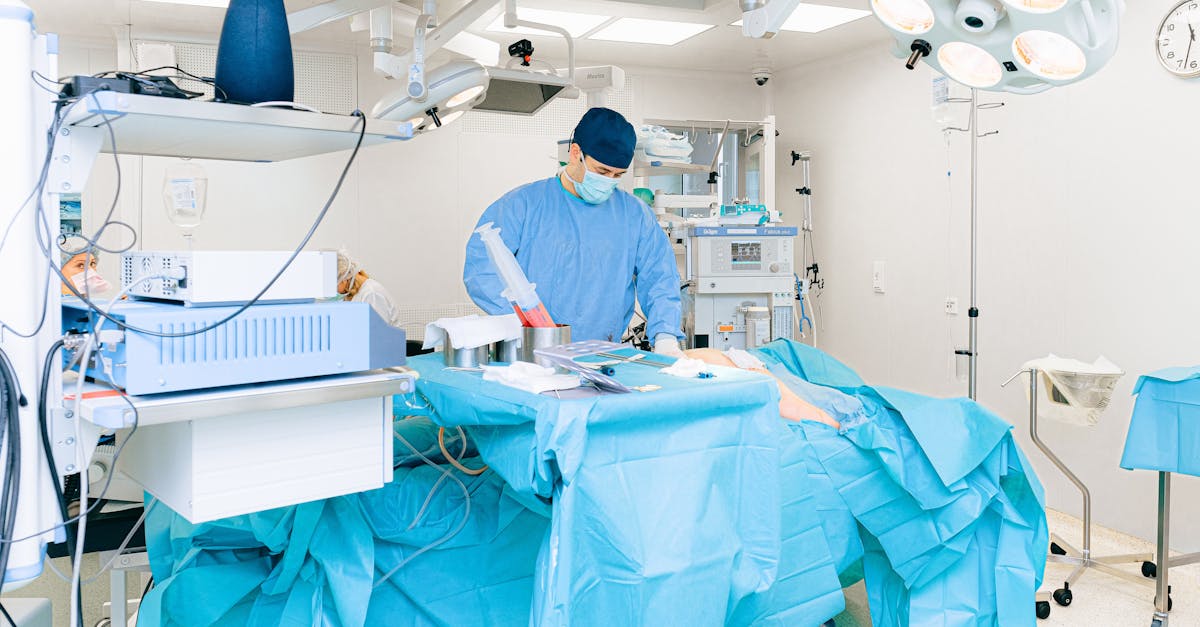
Oakville, Ontario, sits at the heart of one of Canada's fastest-growing corridors for medical device innovation. Positioned along the QEW between Toronto and Hamilton, the Halton Region has attracted a significant cluster of life sciences companies — from diagnostic equipment manufacturers to surgical instrument producers and Class III implantable device firms. For these organizations, ISO 13485 certification is not optional. It is the foundation of regulatory compliance, market access, and supply chain credibility.
This guide is written specifically for medical device manufacturers operating in or around Oakville, Ontario. It covers what ISO 13485 requires, how the certification process works, what it costs, and why getting it right the first time matters for both Health Canada licensing and international market access.
What Is ISO 13485 and Why Does It Matter for Medical Device Manufacturers?
ISO 13485:2016 is the international standard for quality management systems in the medical device industry. Published by the International Organization for Standardization (ISO), it specifies requirements for organizations involved in the design, production, installation, and servicing of medical devices and related services.
Unlike ISO 9001, which applies across industries, ISO 13485 is purpose-built for medical devices. It emphasizes regulatory compliance, risk management, traceability, and product safety throughout the entire device lifecycle. The standard aligns closely with the regulatory frameworks enforced by Health Canada, the U.S. Food and Drug Administration (FDA), and the European Union's Medical Device Regulation (MDR).
For Oakville manufacturers, ISO 13485 certification delivers three critical outcomes:
- Regulatory compliance: Health Canada's Medical Devices Regulations (SOR/98-282) require that Class II, III, and IV device manufacturers operate under a certified quality management system. ISO 13485 satisfies this requirement.
- Market access: Certification is a prerequisite for selling medical devices in Canada, the United States (where it supports FDA 21 CFR 820 compliance), the European Union (under MDR 2017/745), and most international markets.
- Supply chain qualification: Original Equipment Manufacturers (OEMs) and hospital group purchasing organizations increasingly require ISO 13485 certification from suppliers as a condition of doing business.
Oakville and Halton Region: A Growing Medical Device Manufacturing Corridor
The Halton Region — encompassing Oakville, Burlington, Milton, and Halton Hills — has emerged as a significant hub for advanced manufacturing and life sciences in Southern Ontario. Oakville's proximity to Toronto's research hospitals, McMaster University's biomedical engineering programs in nearby Hamilton, and the Pearson International Airport corridor gives local manufacturers distinct advantages in product development, talent acquisition, and distribution logistics.
Several factors make Oakville particularly attractive for medical device companies:
- Proximity to clinical research institutions: Oakville Trafalgar Memorial Hospital (part of Halton Healthcare) and nearby Hamilton Health Sciences provide channels for clinical validation and post-market surveillance data collection.
- Skilled workforce: The region benefits from graduates of University of Toronto, McMaster University, and Sheridan College's applied technology programs, creating a deep talent pool in quality assurance, regulatory affairs, and manufacturing engineering.
- Transportation infrastructure: The QEW, Highway 403, and GO Transit connections enable efficient movement of raw materials and finished devices. Proximity to Pearson Airport supports export logistics to U.S. and global markets.
- Industry support: Organizations such as Medtech Canada (formerly MEDEC) and the Ontario Bioscience Innovation Organization (OBIO) provide advocacy, networking, and regulatory guidance for medical device companies throughout the Golden Horseshoe region.
For manufacturers in this corridor, ISO 13485 certification is both a regulatory requirement and a competitive differentiator. Companies without certification face exclusion from major supply chains and are unable to obtain Health Canada Medical Device Establishment Licences (MDELs) for Class II through IV devices.
Health Canada Regulatory Requirements and How ISO 13485 Fits
Health Canada's Therapeutic Products Directorate (TPD) and the Medical Devices Bureau oversee the regulation of medical devices sold in Canada. The regulatory framework classifies devices into four risk classes:
- Class I: Lowest risk (e.g., bandages, tongue depressors). Exempt from QMS certification requirements, but still require an establishment licence.
- Class II: Low-to-moderate risk (e.g., pregnancy test kits, powered wheelchairs). Require MDEL and ISO 13485 certification.
- Class III: Moderate-to-high risk (e.g., orthopedic implants, hemodialysis equipment). Require medical device licence and ISO 13485 certification.
- Class IV: Highest risk (e.g., pacemakers, coronary stents). Require full pre-market review and ISO 13485 certification.
For Class II, III, and IV devices, manufacturers must demonstrate that their quality management system conforms to ISO 13485 through certification by a recognized third-party audit body. The certification audit must be conducted by an organization accredited by a member of the International Accreditation Forum (IAF) — in Canada, this is typically through the Standards Council of Canada (SCC).
Cross-Border Considerations: FDA and MDSAP
Oakville manufacturers exporting to the United States must also comply with the FDA's Quality System Regulation (21 CFR 820). While ISO 13485 and 21 CFR 820 share significant overlap, there are notable differences — particularly around design controls, complaint handling timelines, and corrective action requirements.
The Medical Device Single Audit Program (MDSAP) offers a practical solution. MDSAP allows a single audit to satisfy the regulatory requirements of Canada, the United States, Brazil, Australia, and Japan simultaneously. For Oakville-based manufacturers selling into multiple markets, MDSAP can significantly reduce audit burden and associated costs.
The ISO 13485 Certification Process: Step by Step
Certification follows a structured process that typically takes 6 to 12 months for a small-to-medium medical device manufacturer. Here is how it works, from initial assessment through to certification. For a broader look at how we approach quality system implementation, see our consulting process overview.
Step 1: Gap Analysis
A thorough gap analysis compares your existing quality management practices against every clause of ISO 13485:2016. This assessment identifies what you already have in place, what needs to be developed, and what needs to be revised. For Oakville manufacturers with existing ISO 9001 certification, significant portions of the QMS infrastructure can be adapted — but the medical-device-specific requirements around risk management (ISO 14971), traceability, and design controls require dedicated development.
A gap analysis typically takes 2 to 5 days of on-site assessment, depending on the size and complexity of the organization.
Step 2: QMS Documentation Development
ISO 13485 requires extensive documented procedures and records. Key documents include:
- Quality Manual defining the scope of the QMS and all applicable processes
- Documented procedures for document control, record control, internal audit, corrective and preventive action (CAPA), complaint handling, and management review
- Risk management file aligned with ISO 14971, including hazard analysis, risk evaluation, risk control measures, and residual risk assessment
- Design and development procedures covering design input, output, review, verification, validation, and transfer
- Supplier evaluation and purchasing control procedures
- Production and process control procedures, including validation of special processes
- Post-market surveillance and vigilance reporting procedures
For a typical Oakville manufacturer producing Class II or III devices, developing this documentation from scratch takes 8 to 16 weeks with dedicated consultant support. Organizations transitioning from ISO 9001 can often reduce this timeline by 30 to 40 percent.
Step 3: Implementation and Training
Documentation alone does not create a functioning quality system. Implementation involves training all employees on the QMS procedures relevant to their roles, establishing the required records and forms, and embedding quality management practices into daily operations.
Critical implementation activities include:
- Training production staff on device history records (DHRs) and traceability requirements
- Training design engineers on the design control process and risk management file maintenance
- Establishing complaint handling workflows with defined escalation criteria
- Implementing calibration programs for monitoring and measuring equipment
- Conducting management review meetings to evaluate QMS performance
Step 4: Internal Audit
Before the certification body arrives, you must conduct at least one complete internal audit cycle covering all QMS processes. The internal audit verifies that the system is implemented, functioning, and producing the required records. Nonconformities identified during internal audit must be addressed through corrective actions before the Stage 2 certification audit.
Step 5: Certification Audit (Stage 1 and Stage 2)
The certification audit is conducted in two stages by an accredited third-party certification body:
- Stage 1 (Documentation Review): The auditor reviews your QMS documentation, quality manual, procedures, and records to confirm that the system is designed to meet ISO 13485 requirements. This is typically a 1 to 2 day on-site or remote assessment.
- Stage 2 (Implementation Audit): The auditor conducts a thorough on-site assessment of your operations, interviewing staff, reviewing records, and observing processes. For a typical Oakville medical device manufacturer, Stage 2 takes 3 to 5 days.
If no major nonconformities are identified, the certification body issues the ISO 13485 certificate. Minor nonconformities require a corrective action plan within a defined timeline (usually 90 days). Major nonconformities require resolution and a follow-up audit before certification can be granted.
Timeline and Cost Expectations for Oakville Manufacturers
Certification timelines and costs vary based on organization size, device classification, and existing QMS maturity. Here are realistic ranges for Oakville-area medical device manufacturers:
Timeline
- Gap analysis: 1 to 2 weeks
- Documentation development: 8 to 16 weeks
- Implementation and training: 4 to 8 weeks
- Internal audit and corrective actions: 2 to 4 weeks
- Certification audit (Stage 1 and Stage 2): 2 to 4 weeks
Total: 6 to 12 months for most small-to-medium manufacturers. Organizations with existing ISO 9001 certification or partial QMS documentation can often achieve certification in 4 to 8 months.
Cost
Certification costs fall into two categories:
- Consulting fees: Professional consulting support for gap analysis, documentation development, implementation, and audit preparation typically ranges from $25,000 to $65,000 CAD, depending on organization size and scope.
- Certification body fees: The third-party certification audit itself typically costs $8,000 to $20,000 CAD for the initial certification, with annual surveillance audits costing $5,000 to $12,000 CAD.
These are investments with measurable returns. Certified manufacturers gain access to regulated markets, qualify for OEM supply chains, and reduce the risk of costly product recalls through systematic quality controls.
Common Challenges Oakville Medical Device Manufacturers Face
Based on our experience working with medical device companies across Southern Ontario, these are the most frequent obstacles we see during ISO 13485 implementation:
Design Control Documentation Gaps
Many smaller manufacturers have developed effective products but lack the formal design control records that ISO 13485 requires. Design inputs, design reviews, verification and validation test reports, and design transfer documentation must be reconstructed or established for all active device designs. This is often the most time-intensive element of certification preparation.
Supplier Qualification
ISO 13485 requires that all suppliers of materials, components, and services affecting product quality are evaluated, approved, and monitored. For Oakville manufacturers sourcing components from domestic and international suppliers, establishing a comprehensive approved supplier list with documented evaluation criteria and ongoing performance monitoring takes focused effort.
Risk Management Integration
The standard requires that risk management is integrated throughout the product realization process, not treated as a standalone activity. Alignment with ISO 14971 (Application of Risk Management to Medical Devices) requires ongoing hazard analysis, risk-benefit determination, and residual risk evaluation that must be documented and maintained throughout the device lifecycle.
Post-Market Surveillance
Health Canada expects manufacturers to maintain active post-market surveillance programs, including complaint handling, adverse event reporting, and trend analysis. Many companies underestimate the procedural and record-keeping requirements of an effective post-market surveillance system, particularly for Class III and IV devices where mandatory problem reporting timelines are strict.
Choosing a Certification Body
Your certification body must be accredited by an IAF member. In Canada, the Standards Council of Canada (SCC) is the national accreditation body. Common certification bodies serving Oakville-area medical device manufacturers include BSI, SGS, TUV SUD, Bureau Veritas, and Intertek.
When selecting a certification body, consider:
- Industry experience: Choose an auditor team with direct medical device QMS experience, not generalists who primarily audit manufacturing or food safety systems.
- MDSAP recognition: If you plan to pursue MDSAP, ensure the certification body is authorized to conduct MDSAP audits.
- Audit scheduling flexibility: Certification bodies vary significantly in their booking lead times. Some require 3 to 6 months advance scheduling.
- Geographic proximity: While not strictly necessary, having auditors familiar with the Ontario regulatory environment and local industry practices can reduce audit friction.
How PinnacleQMS Supports Oakville Medical Device Manufacturers
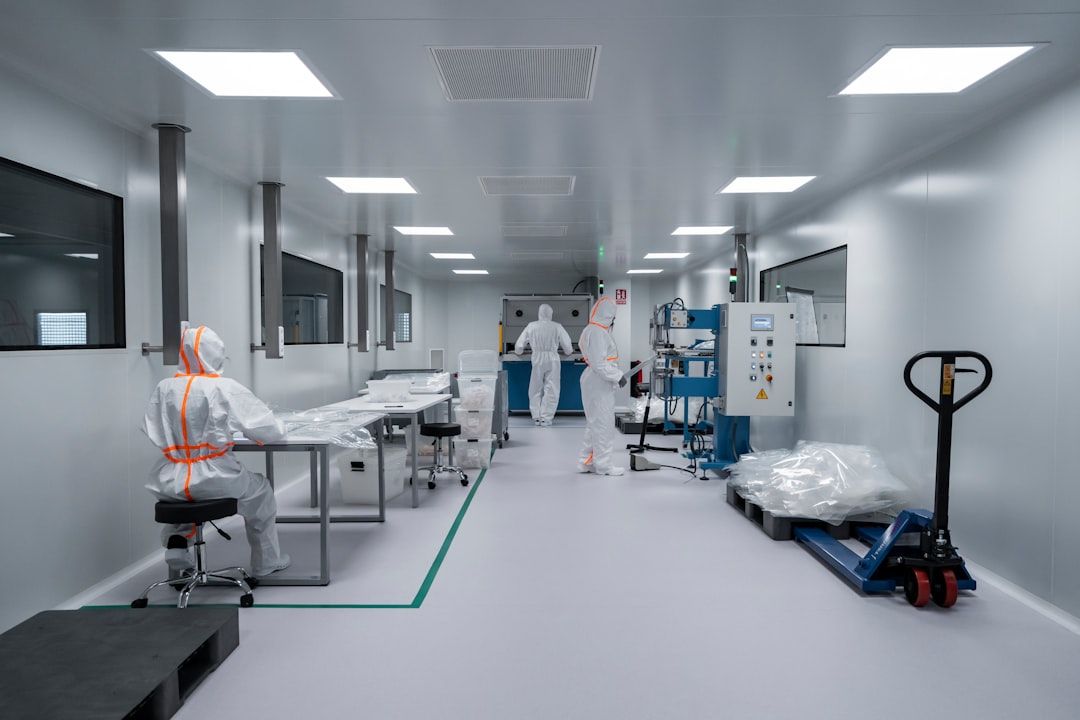
At PinnacleQMS, we specialize in ISO certification consulting for Canadian manufacturers. Our team has direct experience implementing ISO 13485 quality management systems for medical device companies across the Greater Toronto and Hamilton Area (GTHA), including Class II diagnostic devices, Class III implantable components, and contract manufacturers serving OEM customers.
Our approach to ISO 13485 certification includes:
- Comprehensive gap analysis: We assess your current operations against every clause of ISO 13485:2016, producing a detailed remediation plan with prioritized actions and realistic timelines. Learn more about our consulting process.
- Custom documentation development: We build your quality manual, procedures, work instructions, and forms to match your actual operations — not generic templates that require extensive modification.
- Hands-on implementation support: We work alongside your team on the production floor, in the design lab, and in the quality department to embed the QMS into daily practice.
- Internal audit execution: We conduct or co-conduct your internal audit program to verify readiness and identify any remaining gaps before the certification audit.
- Certification audit preparation: We prepare your team for the Stage 1 and Stage 2 audits, including mock audit exercises, interview preparation, and document review.
- Integrated management systems: For manufacturers holding or pursuing multiple certifications (ISO 9001, ISO 14001, ISO 45001), we design integrated management systems that reduce documentation overhead and audit fatigue.
We have worked with Oakville-area companies that previously attempted certification with generic consultants and failed their initial certification audit. The medical device industry demands specialized knowledge — understanding Health Canada's expectations, FDA cross-reference requirements, and the specific documentation depth that certification body auditors expect. For more about our ISO 13485 consulting services, visit our ISO 13485 service page.
Related Resources for Oakville Medical Device Manufacturers
If you are exploring ISO 13485 certification, these additional resources may be useful:
- Our detailed guide: ISO 13485 Certification Canada: Complete Guide for Medical Device Manufacturers in 2026
- Nearby city-specific guide: ISO 13485 Consultant in Mississauga, Ontario
- Healthcare and medical devices industry overview: Healthcare & Medical Devices Industry Page
- ISO 22000 guide for nearby food manufacturers: ISO 22000 Certification for Manufacturers in Burlington, Ontario
Get Started with ISO 13485 Certification in Oakville
If your Oakville or Halton Region medical device company is ready to pursue ISO 13485 certification — or if you have been through a failed audit and need to get back on track — we can help. Our consultants work on-site at your facility and are available for an initial assessment within two weeks of engagement.
Contact us today to schedule a free initial consultation. We will review your current QMS status, discuss your certification timeline, and provide a clear proposal for getting your medical device quality management system certified to ISO 13485.
Request a Consultation
Fill in your details and we'll get back to you.