Chapter 17: Fishbone (Ishikawa) Diagrams for Complex, Multi-Cause Nonconformances

When you suspect multiple factors contributed to a failure, or when you need a team to systematically think through possibilities, bring in the fishbone diagram (also called Ishikawa diagram after its creator, Kaoru Ishikawa). This method creates a visual framework and forces structured thinking. It's especially powerful in Canadian manufacturing environments where your team likely includes shift supervisors, maintenance technicians, quality inspectors, and machine operators—all bringing different perspectives to the problem.
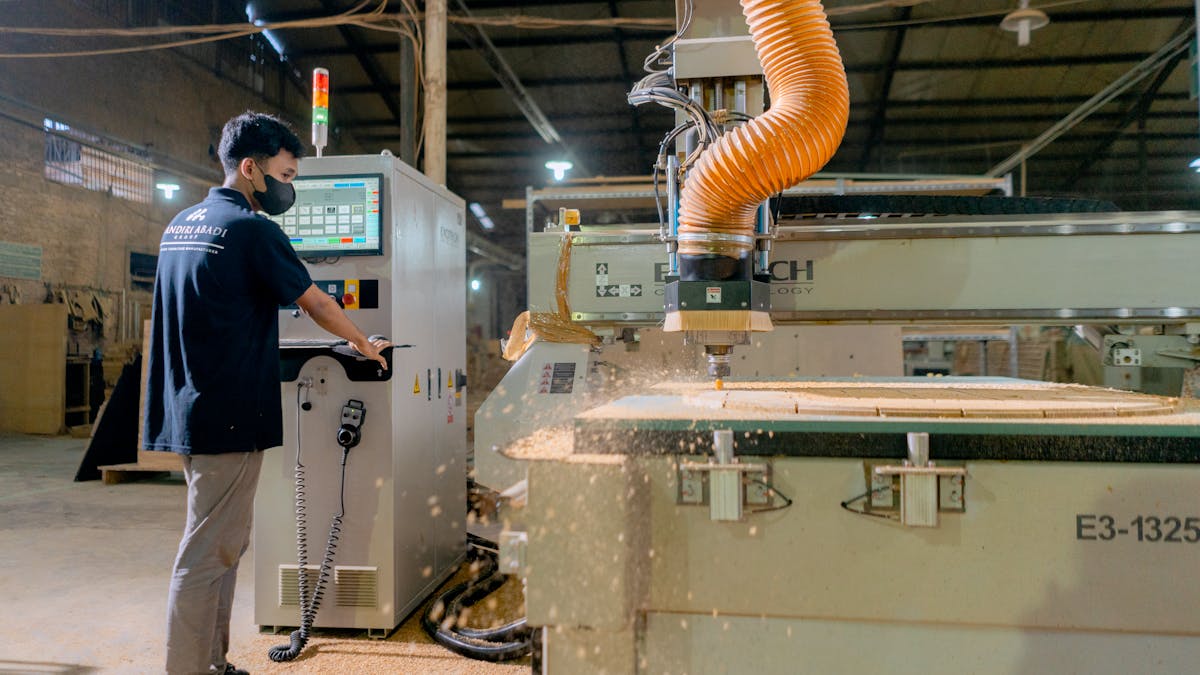
Here's a real scenario from a CNC precision machining shop near Toronto. A batch of aluminum valve bodies arrived at the customer with an unacceptable surface finish on critical bore diameters. Not all parts failed; not all surfaces failed. This variability screamed "multiple causes," so they built a fishbone.
The 6M framework organizes potential causes into six categories:
- Man (people, training, fatigue)
- Machine (equipment condition, age, calibration)
- Method (procedures, parameters, sequencing)
- Material (supplier, batch variation, handling)
- Measurement (inspection system, calibration, operator skill)
- Mother Nature (temperature, humidity, vibration)
The shop's cross-functional team (CNC programmer, machine operator, quality inspector, maintenance technician, and shift supervisor) met for 90 minutes and populated the fishbone with findings across all categories:
Man: Operator change two weeks prior; operator hadn't run this job for 18 months.
Machine: Spindle vibration noted on a lathe that runs this operation; spindle bearings due for replacement; tool holder showed wear.
Method: Cutting fluid concentration not verified in daily start routine; speed and feed parameters hadn't been optimized for material lot change two weeks prior.
Material: New material supplier approved for aluminum; batch had different machinability rating than previous supplier.
Measurement: Surface finish inspection performed with contact profilometer; contact inspection can miss burnished surfaces.
Mother Nature: Production runs in morning when ambient temperature is lower; coolant temperature fluctuates before the chiller reaches setpoint.
That fishbone contained eight potential root causes. The team then applied 5-Why drilling to the three highest-probability branches:
- The spindle bearing wear + coolant temperature instability created surface finish variability on startup.
- The new material supplier required adjusted speed/feed, which hadn't been formalized.
- The operator, though experienced, needed a quick refresher on this specific job's setup sequence.
The corrective action was layered: spindle bearing replacement (machine), formal parameter adjustment procedure for material changes (method), operator refresher training (man), and a daily fluid concentration verification in the shift checklist (method/measurement).
Need guidance on your certification journey?
Our consultants have prepared more than 250 manufacturers globally — from growing businesses to large enterprises — for successful certification. Get a free, no-obligation consultation tailored to your industry.
How to run a fishbone session efficiently:
- Reserve 90 minutes maximum.
- Pre-work: Send the nonconformance description and any data (shift it occurred, part number, failure mode) to participants 24 hours ahead.
- Start by clearly stating the problem statement at the "head" of the fish: "Surface finish nonconforming on bore diameter, batch of 47 parts, produced over three shifts."
- Systematically walk each M category, asking: "What could contribute here?"
- Write everything down—no filtering during brainstorm.
- After the brainstorm, apply the Pareto principle: which three branches are most likely? Those get the 5-Why drill.
Combining fishbone with 5-Why: This is the power move. Use fishbone to map the landscape of potential causes (it's discovery-focused). Use 5-Why to drill into the likeliest branches and confirm you've reached a controllable root cause. The fishbone prevents tunnel vision; the 5-Why prevents false precision.
When to use fishbone: Multi-cause failures, failures that vary (sometimes occurring, sometimes not), problems that affect a team's output, or any situation where multiple departments could have contributed. Quality managers we've worked with across Canada use fishbone for about 40% of their CARs. It's the safest choice when you're not sure whether you're dealing with one cause or many.
Chapter 16: The 5-Why Method: When to Use It and When to Stop
The **5-Why method** is deceptively simple, which makes it both popular and dangerous. Ask why something happened. Take that answer and ask why again. Repeat. T
Chapter 18: Is/Is Not Analysis: The Underused Tool That Impresses Auditors
Here's a method that auditors notice—and respect—when they see it done right: **Is/Is Not analysis**. It's forensically precise. It narrows the problem definiti
Request a Consultation
Fill in your details and we'll get back to you.