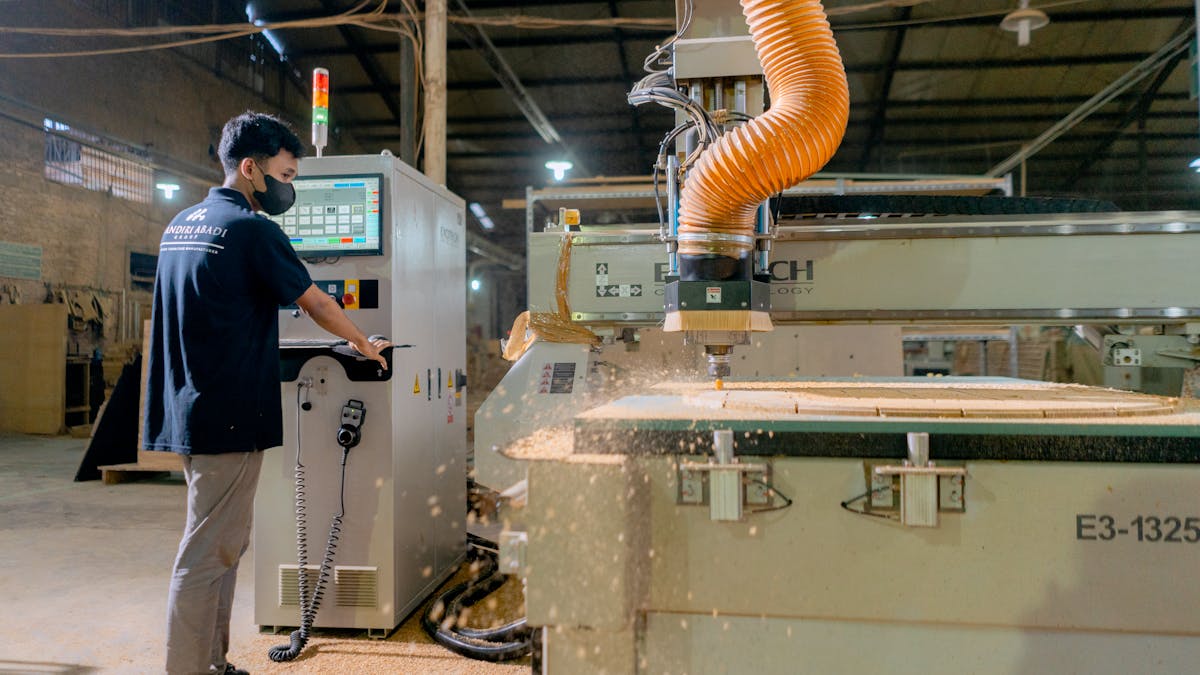
Training, Competence, and Awareness Programs

Training, Competence, and Awareness Programs
ISO 9001 Clause 7.2 (Competence) doesn't just say "provide training." It says: Determine what competence is needed for people affecting QMS performance. Ensure people are competent. When competence is lacking, take action. Retain evidence of competence.
That distinction matters. You're not checking a "training box"; you're ensuring your people can actually do their jobs well.
In our experience with Canadian manufacturers and service organisations, training is often where great intentions meet reality. You identify a training need, send people to a course, and... then nothing. They return, and within weeks, they've forgotten most of it because they weren't applying it. Or they apply it, but nobody verifies they're actually doing it correctly.
This chapter walks you through designing competence-based training programs that actually build capability in your organisation.
The Competence Framework: Where to Start
Before you design training, you need to know: What competence does each role require?
Identifying Critical Roles and Competencies
Not everyone needs the same training. A machine operator needs different competence than a quality inspector, who needs different competence than a production supervisor.
Start by identifying roles that affect QMS performance:
Production Roles:
- CNC Machine Operator
- Assembler
- Quality Inspector
- Material Handler
- Production Supervisor
Management Roles:
- Operations Manager
- Quality Manager
- Sales/Customer Service Representative
- Procurement Specialist
Support Roles:
- Maintenance Technician
- Document Controller
- Internal Auditor
- Trainer
For each role, define required competence:
CNC Machine Operator:
- Understand our quality policy and customer requirements
- Read and interpret engineering drawings
- Set up and operate CNC machines per our specifications
- Perform in-process quality checks
- Identify and report non-conformances
- Follow documented procedures
- Communicate with supervisor about issues
Quality Inspector:
- Everything above, plus:
- Understanding of dimensional measurement and tolerances
- Ability to use measuring instruments (calipers, micrometers, gauges) correctly
- Understanding of statistical concepts (sampling, defect rates)
- Root-cause analysis skills
- Documentation and record-keeping
- Communication with production and management
Production Supervisor:
- Everything operators and inspectors need, plus:
- Production planning and scheduling
- Resource management (people, equipment, materials)
- Leadership and delegation
- Problem-solving and decision-making
- Budget and cost awareness
- Customer requirements and delivery expectations
Building a Competence Matrix
Create a simple table showing roles and required competence areas:
| Role | Quality Policy | Engineering Drawings | Equipment Operation | Quality Inspection | Documentation | Problem-Solving | Customer Focus |
|---|---|---|---|---|---|---|---|
| CNC Operator | Required | Required | Required | Basic | Required | Basic | Required |
| Quality Inspector | Required | Required | Basic | Required | Required | Required | Required |
| Production Supervisor | Required | Advanced | Required | Advanced | Required | Advanced | Advanced |
| Maintenance Technician | Required | Advanced | Advanced | Basic | Required | Advanced | Basic |
Designing Competence-Based Training
Once you've identified required competence, design training to build it.
The Training Needs Analysis (TNA)
For each role, assess current state:
Example: CNC Machine Operators
| Competency | Required Level | Current State | Gap | Training Needed |
|---|---|---|---|---|
| Quality Policy | Awareness | Good (new hires orient on it) | Minor | Refresh training; post policy |
| Engineering Drawings | Intermediate | Fair (experienced ops understand; new ops struggle) | Moderate | Formal training on reading drawings, tolerances, GD&T |
| Equipment Operation | Advanced | Strong (very experienced team) | None | Minimal (ongoing as new machines introduced) |
| Quality Inspection | Intermediate | Weak (no formal training; ops don't do final checks well) | Significant | Formal training on inspection techniques, acceptance criteria, measurement |
| Documentation | Intermediate | Weak (people avoid filling out forms) | Significant | Training + process simplification (maybe forms are too complex) |
| Problem-Solving | Intermediate | Fair (ops can troubleshoot equipment; struggle with systemic issues) | Moderate | Training in root-cause analysis (5-Why, fishbone); create safe reporting culture |
| Customer Focus | Intermediate | Fair (ops know our customer; don't always understand why some specs matter) | Moderate | Communication about customer requirements and consequences of non-conformance |
This TNA reveals priorities:
- High priority: Engineering drawings, inspection, documentation
- Medium priority: Problem-solving, customer focus
- Low priority: Equipment operation (already strong)
Structuring Training
Training happens through multiple methods. Don't assume classroom training is the only answer.
1. Formal Training
- Initial new-hire orientation (all staff): Quality policy, safety, company procedures, customer focus
- Role-specific training (operators, inspectors, supervisors): Hands-on training on specific tasks
- External training (registrar, training providers): Audit techniques, advanced topics
- Frequency: Quarterly or as new staff hired
2. On-the-Job Training (OJT)
- A skilled operator or mentor coaches someone learning a task
- One-on-one, practical, applies immediately
- Critical for complex manual tasks
- Frequency: As needed when new staff hired or new equipment introduced
3. Procedure-Based Training
- Staff review and understand written procedures and work instructions
- Could be individual study or group review
- Frequency: When procedures are new or significantly changed; annual refresher
4. Mentoring
- Experienced staff mentor newer or less-experienced staff
- Builds culture and knowledge transfer
- Frequency: Ongoing
5. Online/Self-Study
- Training modules (video, interactive)
- Knowledge base or wiki
- Useful for distributed learning
- Frequency: As needed
Creating a Training Plan
Develop a training plan that covers all identified gaps:
Sample Training Plan (Next 12 Months)
Q1: New Hire Onboarding
- All new staff: Company orientation, safety, quality policy, customer overview (1 day)
- Role-specific training: On-the-job training with supervisor/mentor (1-2 weeks, depending on role)
Q1-Q2: Engineering Drawings
- Formal training for all operators and supervisors on reading drawings, tolerances (4 hours, delivered monthly as staff onboard)
- Review of critical drawings with production team
Q2: Quality Inspection
- Formal training for inspectors and operators on inspection techniques, measurement, acceptance criteria (8 hours, two 4-hour sessions)
- Hands-on practice with actual parts
Q2-Q3: Documentation and Non-Conformance Procedure
- Training on non-conformance process, why it matters, how to report issues (2 hours)
- Practice reporting and investigating a mock non-conformance
Q3: Internal Audit Readiness
- Training for 2-3 internal auditors on ISO 9001 concepts and audit techniques (16 hours, external training provider)
- Auditor certification or competence validation
Q4: Leadership and Management Review
- Training for management team on management review process, data analysis, decision-making (4 hours)
Ongoing:
- Monthly toolbox talks on quality, safety, customer focus (15 minutes each, supervisor-led)
- Annual refresher on quality policy and procedures
Delivering Training Effectively
1. Document Clearly Who Needs What
Use your competence matrix. Don't assume; be explicit.
2. Match Training to Audience
Training for machine operators should be different from training for supervisors. Don't waste time.
3. Include Practical Application
Don't just lecture. Have people practice. Show them a drawing and have them identify the tolerance. Have them set up a machine and inspect the first piece. Bring the training to life.
4. Use Subject Matter Experts
Your most experienced operators or supervisors are often your best trainers. They know the job and can speak in your language.
5. Provide Written Support
Handouts, job aids, and procedure references help people remember and apply learning.
6. Schedule Follow-Up
Training shouldn't be a one-time event. Schedule refreshers. Ask supervisors to reinforce learning in the weeks after training.
7. Evaluate Effectiveness
After training, does behaviour change? Does performance improve? If not, the training didn't work. Adjust.
Creating Training Records
ISO 9001 requires evidence that training happened and that people are competent. Maintain:
1. Training Register
A record of who received what training when. Example:
| Name | Role | Training Topic | Date | Trainer | Duration | Status (Passed/Needs Refresher) |
|---|---|---|---|---|---|---|
| John Smith | CNC Operator | Engineering Drawings | Jan 15, 2024 | Sarah (Manufacturing Engineer) | 4 hrs | Passed |
| Jane Doe | Quality Inspector | Inspection Techniques | Feb 20, 2024 | External provider | 8 hrs | Passed |
| John Smith | CNC Operator | Inspection Techniques | Mar 5, 2024 | Jane Doe | 4 hrs | Passed |
2. Competence Assessment Records
Evidence that people can actually do the job. This might be:
- Written test scores
- Skills assessment checklist (supervisor observation)
- "Sign-off" by mentor (Jane trained John; Jane confirmed John can do it)
- Audit feedback (internal auditor observed John's work; found it compliant)
Example competence assessment:
Name: John Smith
Role: CNC Machine Operator
Competency: Engineering Drawings
Method of Assessment: Written test on tolerance reading + practical exercise on actual drawing
Result: Passed (score 85%)
Date: Jan 16, 2024
Assessed by: Sarah, Manufacturing Engineer
Valid until: Jan 16, 2025 (annual refresher scheduled)
3. Training Resources Documentation
List what training materials you have:
- External training providers and their offerings
- Internal trainers and their expertise
- Online resources, videos, documentation
- Books or references
4. Refresher Schedule
Track when training expires or should be refreshed:
- Operator competence: Annually or when tasks change
- Auditor competence: Annually or after internal audit
- Equipment-specific training: When equipment is new or after long breaks
- Safety training: Annually (often required by law anyway)
Sample Competence and Training Procedure
Here's what a formal procedure might look like:
Title: Competence, Training, and Awareness Procedure
Purpose: To ensure our personnel are competent to perform their roles and understand their contribution to quality.
Scope: All permanent and temporary staff.
Responsibilities:
HR/Operations Manager:
- Maintain competence matrix
- Identify training needs via gap analysis
- Develop training plan
- Track training attendance
- Schedule refresher training
Supervisor/Manager:
- Assess current competence of their team
- Communicate training needs
- Ensure staff attend training
- Reinforce learning on-the-job
- Report competence concerns
Trainer (Internal or External):
- Deliver training as planned
- Assess learning (test, practical, observation)
- Maintain training records
- Provide feedback on effectiveness
Process Steps:
- Define Competence Requirements:
- For each role, document required competencies
- Document experience, education, skills needed
- Update annually as roles evolve
- Assess Current Competence:
- Supervisor assesses each team member against requirements
- Identify gaps
- Discuss with employee (career development opportunity)
- Plan Training:
- For identified gaps, plan appropriate training (course, OJT, mentoring, self-study)
- Schedule training
- Communicate to affected staff
- Deliver Training:
- Conduct training per plan
- Include interactive, practical components
- Document attendance
- Assess Effectiveness:
- Use practical observation, testing, or audit feedback to confirm learning
- Document competence validation
- For unsuccessful participants, plan refresher
- Maintain Records:
- Keep training register updated
- Maintain competence assessment records
- Keep in personnel files (or QMS records)
- Refresh Training:
- Schedule refresher training on annual basis or when procedures change
- Track upcoming expirations
- Ensure no role is without trained staff
Records:
- Competence Matrix
- Training Register
- Training Plans
- Individual Training Records
- Competence Assessment Records
- Training Feedback Forms
Forms:
- Training Needs Assessment Form
- Training Plan Template
- Competence Assessment Checklist
Building Quality Awareness and Culture
Competence is about skills. Awareness is about understanding and commitment.
Quality Awareness Program
Develop activities to keep quality top-of-mind:
1. New Hire Orientation
- Within first week, all new hires receive orientation on:
- Company mission and values
- Quality policy and what it means
- Who our customers are and what they expect
- Overview of our QMS (key processes, procedures)
- Safety and compliance requirements
- Tour of facility
- Duration: 2-4 hours, delivered by HR or operations lead
2. Monthly Toolbox Talks
- Supervisor-led 15-minute discussion on a quality topic
- Examples: "Why tolerances matter," "How to read a drawing," "Customer impact of our work," "Non-conformance case study," "Process safety," "Kaizen opportunity"
- Attendance recorded
- Provides ongoing reinforcement
3. Posters and Signage
- Quality policy posted visibly
- Customer requirements posted (if relevant)
- Safety and procedure posters at work stations
- Employee suggestion board
- Performance metrics displayed (on-time delivery %, scrap rate, customer satisfaction)
4. Leadership Visibility
- Managers and supervisors regularly discuss quality with staff
- Leadership walks the floor, asks about quality issues
- Celebration of achievements ("We hit 99% on-time delivery!")
- Acknowledgement of improvement ideas
5. Customer Connection
- Bring customer perspective to staff
- Customer testimonials or feedback shared
- Customer visits or plant tours for staff
- Understanding impact: "That part we make goes into a medical device that could save a life"
6. Quality Metrics Communication
- Monthly or quarterly update on key metrics
- All-hands meeting or email
- Celebrate improvements; discuss challenges
- Help staff see: "Our work matters"
Building a Quality Culture
This is the hardest part—changing how people think about quality. It's not a training course; it's a management practice.
1. Empower Employees to Report Problems
- Make it safe to say "I found a problem" without fear
- Thank people for reporting issues
- Act on reports quickly
- Don't shoot the messenger
2. Recognise and Reward Quality
- Celebrate improvements
- Thank people who follow procedures
- Acknowledge good audits
- Build pride in quality work
3. Involve Employees in Problem-Solving
- Ask people: "How could we do this better?"
- Form improvement teams
- Implement ideas (or explain why you can't)
- Give credit where ideas come from
4. Consistent Leadership Messaging
- Leadership should consistently say: "Quality matters. Safety matters. Customer focus matters."
- Back it up with actions (budget, time, decisions)
5. Document Decisions
- When leadership makes a choice (e.g., "We'll invest in new inspection equipment" or "We're changing our supplier"), explain why
- Help people understand: this aligns with our quality goals
Competence and Training Timeline
For a small-to-medium organisation:
Month 1-2: Competence Assessment
- Identify required competencies for each role
- Assess current competence
- Identify gaps
- Plan training
Month 2-3: Initial Training Delivery
- Deliver new-hire orientation (if new staff)
- Conduct role-specific training on highest-priority gaps (e.g., engineering drawings, inspection)
- Begin awareness program (quality policy communication, toolbox talks)
Month 4-6: Reinforcement and Assessment
- Deliver follow-up training (e.g., non-conformance procedure, problem-solving)
- Assess competence through observation, testing, practical work
- Refine based on feedback
- Train internal auditors
Month 6+: Ongoing
- Monthly toolbox talks
- Annual refresher training
- New-hire onboarding (as people join)
- Competence re-assessment as roles change
The Business Case for Investment
Training takes time and money. Here's the business case:
Costs:
- Internal trainer time: 2-3 hours per person for initial training
- External training: $500-$1,500 per person for specialized training
- Materials and resources: $2,000-$5,000
- Staff time away from production during training
Benefits:
- Fewer defects (reduced scrap, rework, customer complaints)
- Faster process execution (people know what to do)
- Better retention (trained staff are more engaged)
- Fewer safety incidents
- Faster customer response
- Ability to scale (you can train new people, not just rely on experienced ones)
ROI: For most organisations, improved quality saves money on rework and customer problems within 6-12 months, more than offsetting training investment.
Compliance: What an Auditor Looks For
When an ISO 9001 registrar audits you, they'll check:
- Do you have a competence matrix? (documentation of what you expect)
- Have you assessed people against it? (evidence of gap analysis)
- Is training planned and tracked? (training register, records)
- Do people actually know their role? (interviewing staff, observing them work)
- Are procedures being followed? (observation, audit findings)
If a procedure isn't being followed, the auditor will ask: "Was this person trained on this procedure?" If the answer is no, it's a non-conformance.
Your Competence and Training Checklist
By the end of this phase, you should have:
- Competence matrix for each role
- Training needs assessment completed
- Training plan developed (12-month view)
- New-hire orientation program created
- Training materials/resources identified or created
- Initial training delivered to key staff
- Training register system established
- Competence assessment process defined
- Training records being maintained
- 2-3 internal auditors trained and certified
- Quality awareness program launched (toolbox talks, posters, communication)
Ready to build training and competence programs?
PinnacleQMS helps organisations design competence-based training programs that actually improve performance. From needs assessment through delivery and effectiveness evaluation, we support the full cycle. Contact us to discuss your training needs.
Next: Chapter 6: Internal Audits — Planning and Executing Your First Cycle.
Request a Consultation
Fill in your details and we'll get back to you.